Keep charcoal and wood identifiable
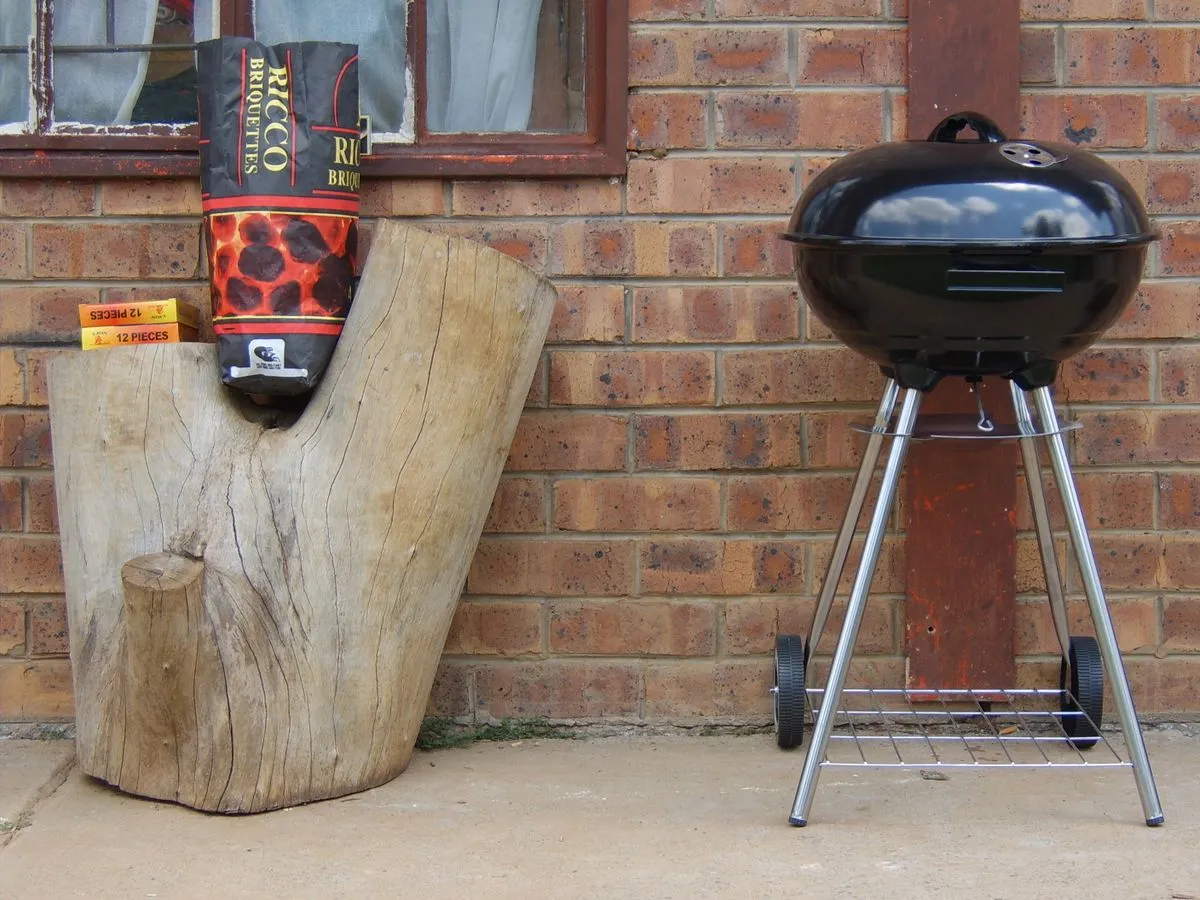
Store suitable barbecue charcoal and smoking wood dry and away from ignition sources. Original packaging carries useful product and operating information. If you add another container, retain clear identification; unidentified scraps are not a useful food-smoking supply. Separate fuel from chemicals, cleaning products and fuels intended for other applications.
When restocking, look for moisture, mold or unusual contamination. Do not dry a wet bag beside an operating grill. Buying in quantity makes sense only when suitable storage exists. A large supply in a poor location is less practical than a modest amount kept dry and clearly identified.
Treat cylinders as a different category
Follow the cylinder supplier's storage directions, the grill manual and applicable local rules. A propane cylinder is not a bag of charcoal to place in a basement, living area or unsuitable closed box. An approved outdoor location needs the required ventilation, security and protection from falling. Keep the cylinder in the prescribed position, normally upright.
A spare cylinder must not sit underneath or immediately beside an operating grill. The permitted location of a connected cylinder is model-specific too; not every space below a cookbox is an approved compartment. Handle valves, caps and connections only through the intended procedures. Damage or an unusual gas odor calls for safe distancing and appropriate assistance, not a homemade repair.
Do not return hot leftovers to storage
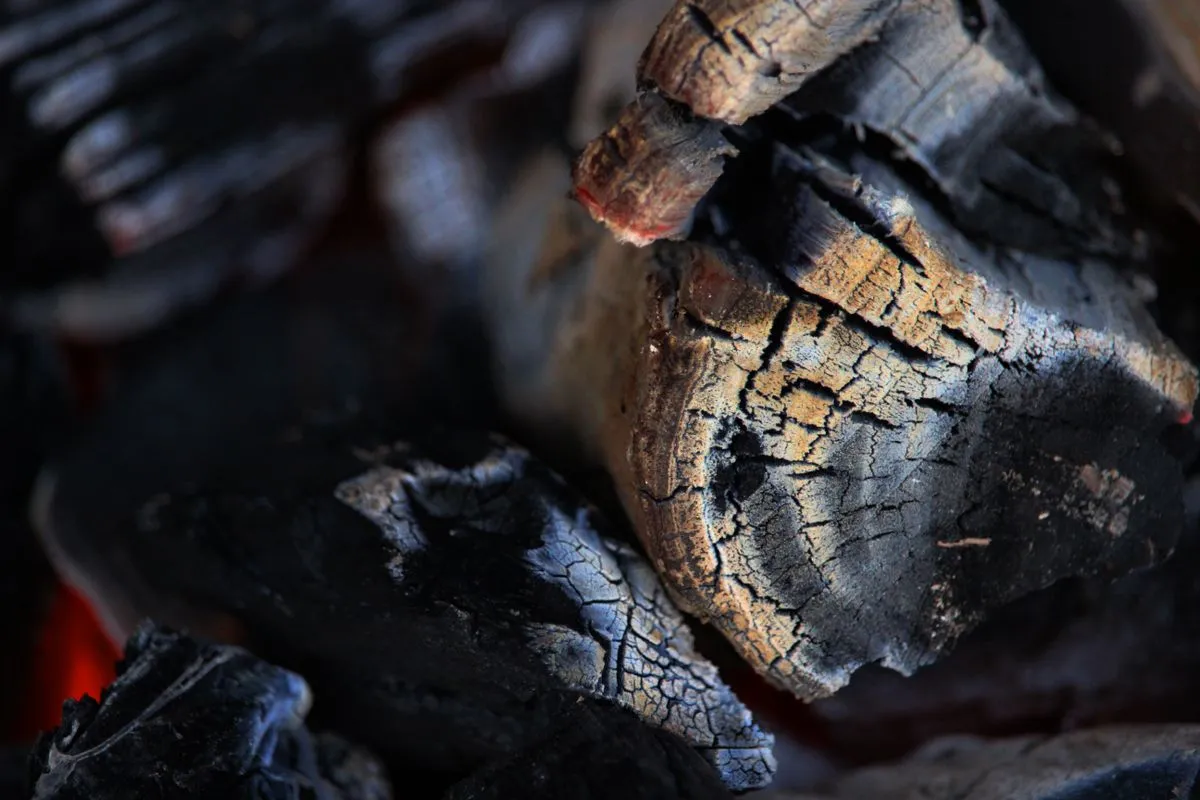
Remaining charcoal must be fully cold before considering any later reuse. A black appearance does not establish that it is cool internally. Never combine warm remains with fresh fuel in a bag or container. An emptied chimney starter also stays hot and needs a separate safe resting place before it can be put away.
Transport adds requirements, especially for gas. Do not use a hot vehicle as permanent storage, and check safe transport directions for the actual container. When storing the grill itself indoors, disconnect and store the cylinder as the manual directs. A grill cover cannot replace a suitable fuel location or required separation from heat.
Keep the inspection simple
Review supplies at the start of the season and before a long break. Dispose of damaged or unidentified products through appropriate local arrangements instead of experimentally burning them. Keep instructions accessible. A small organized stock makes planning easier and prevents the next spontaneous cookout from beginning with guesses about fuel condition.
Use grilling equipment only in its intended location and follow the manufacturer’s instructions. Timing is not a substitute for checking doneness.