 Smoke & Time
Choosing Smoking Wood
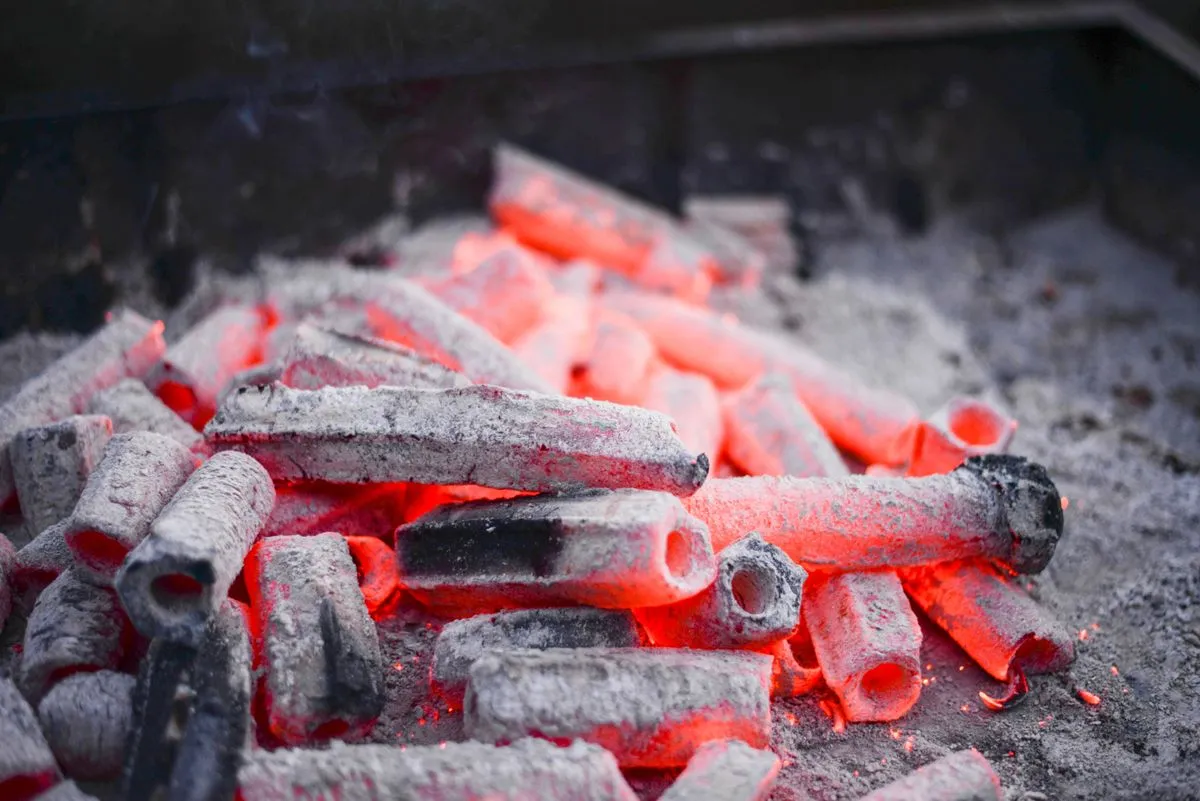
Wood species is only one part of smoke flavor. Quantity, combustion and exposure determine whether smoke behaves like a seasoning or overwhelms the food underneath it.
Read the article ↗Balance smoke and plan longer cooks with temperature control.
Smoke & TimeWood species is only one part of smoke flavor. Quantity, combustion and exposure determine whether smoke behaves like a seasoning or overwhelms the food underneath it.
Read the article ↗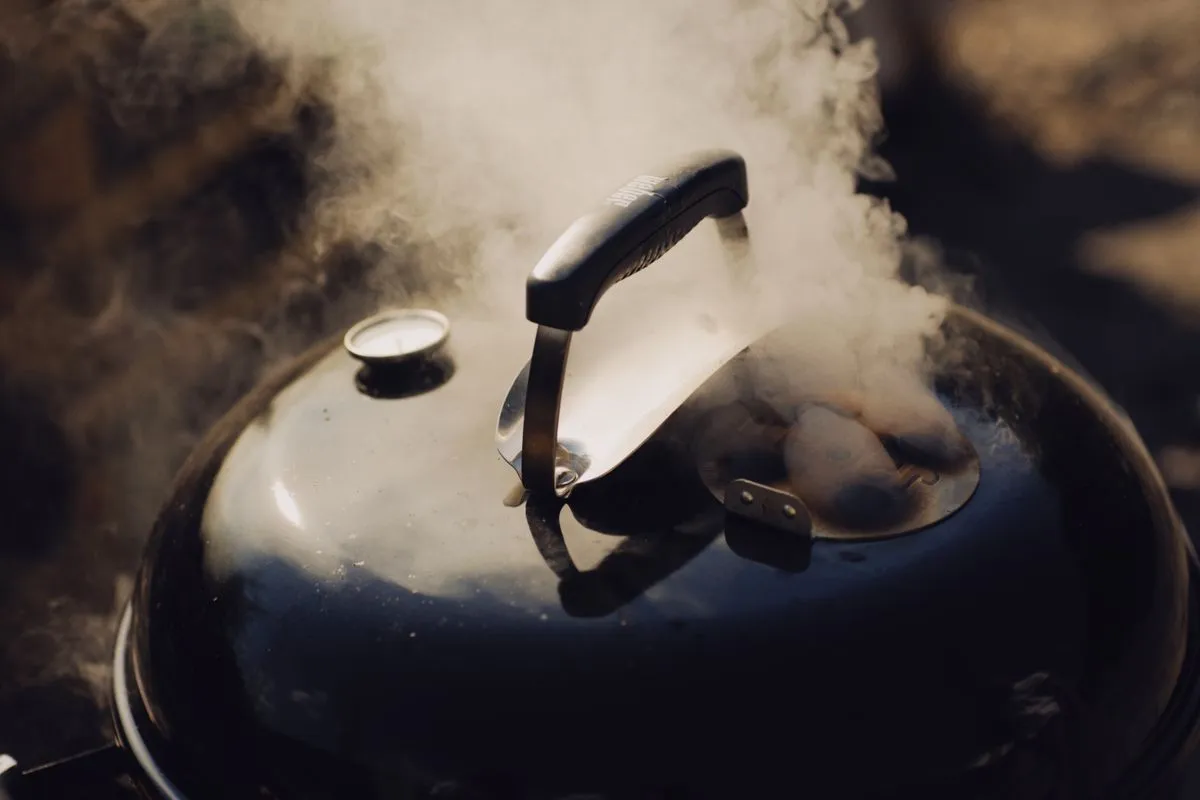 Smoke & Time
A heavy cloud is not a quality signal. A controlled fire and measured wood additions generally give a clearer flavor than repeatedly feeding wood into a cooker with its airflow nearly shut.
Read the article ↗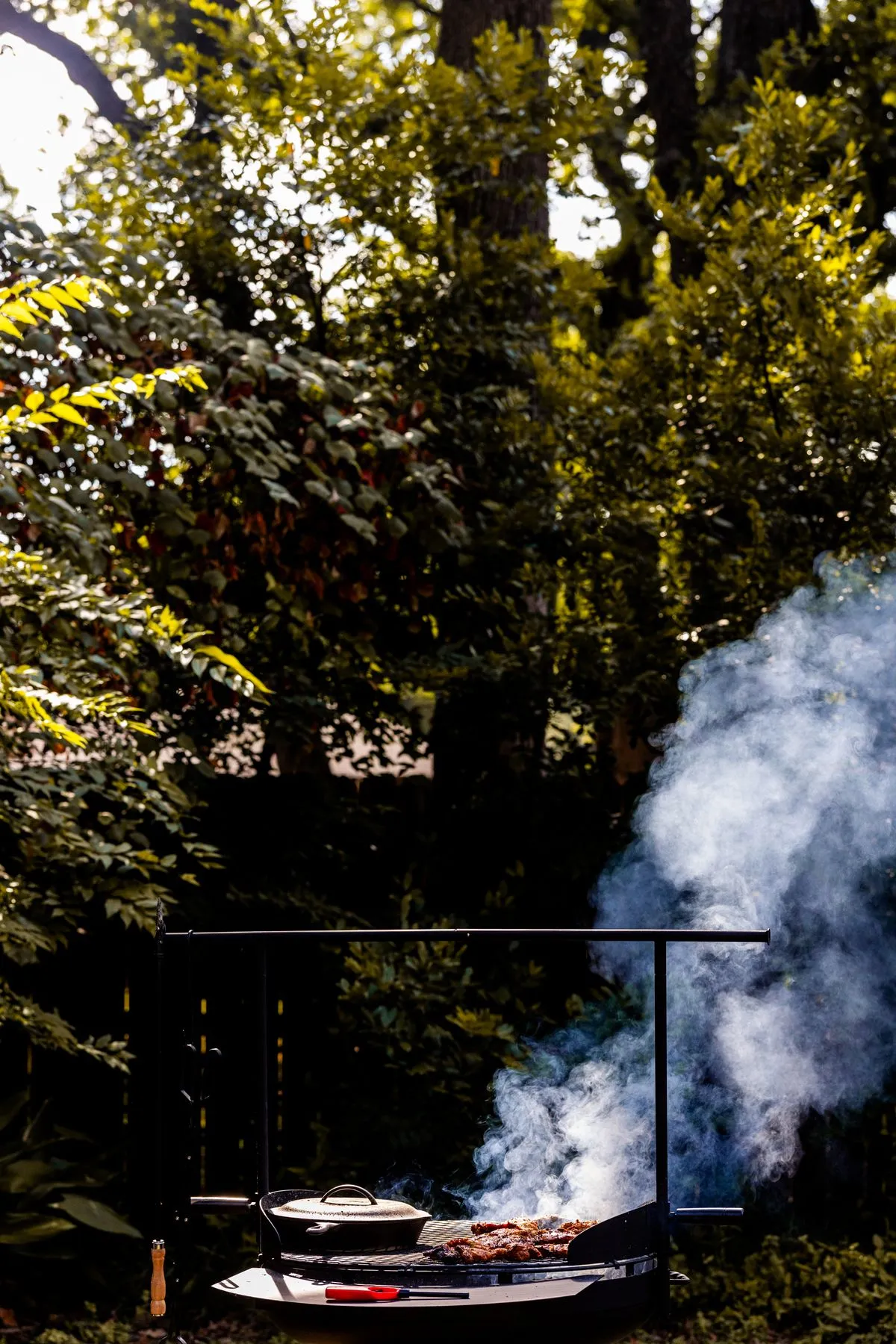 Smoke & Time
A suitable kettle grill can combine indirect heat with smoke. The essentials are room without live coals beneath the food and a temperature reading close to where the food actually cooks.
Read the article ↗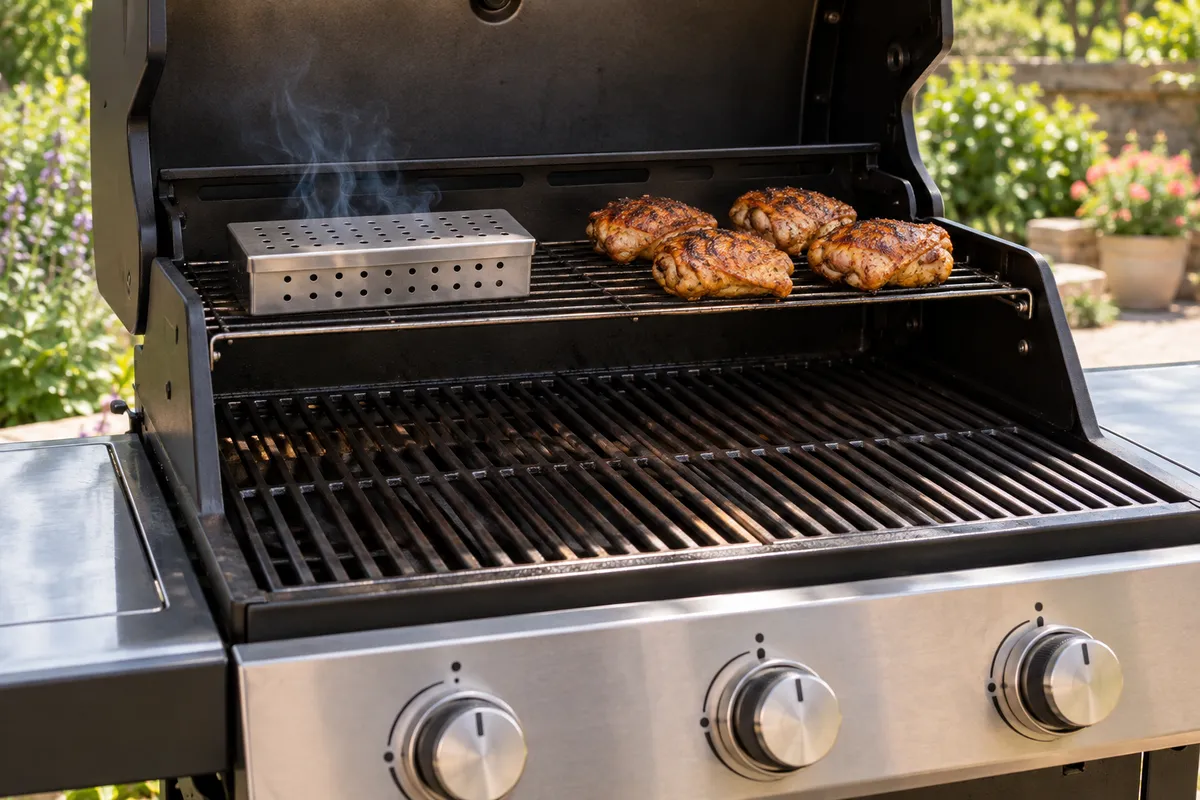 Smoke & Time
On a compatible gas grill, the burners provide cooking heat while an approved smoking accessory adds aroma. Treating those as separate jobs makes the setup easier to control.
Read the article ↗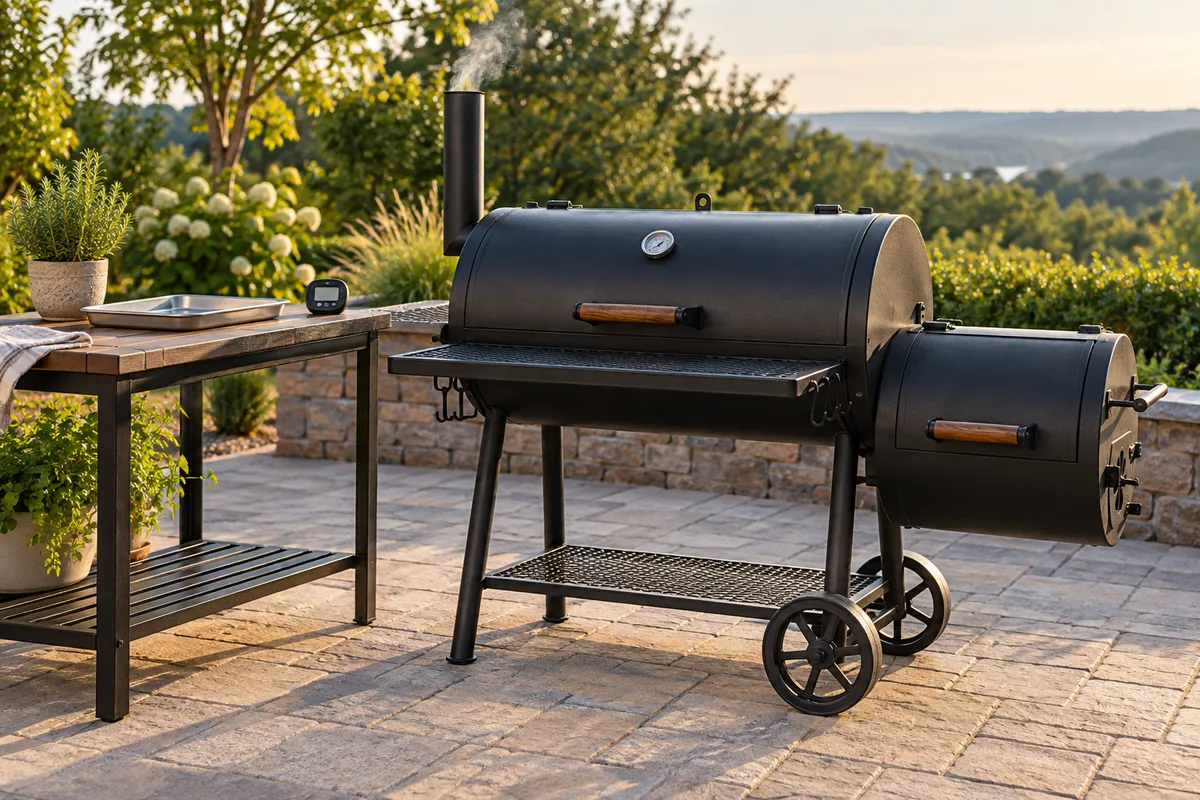 Smoke & Time
Large slow-cooked cuts do not reliably finish at an exact clock time. Build the plan around controlled temperatures, useful time reserves and a safe route from cooking to serving or refrigeration.
Read the article ↗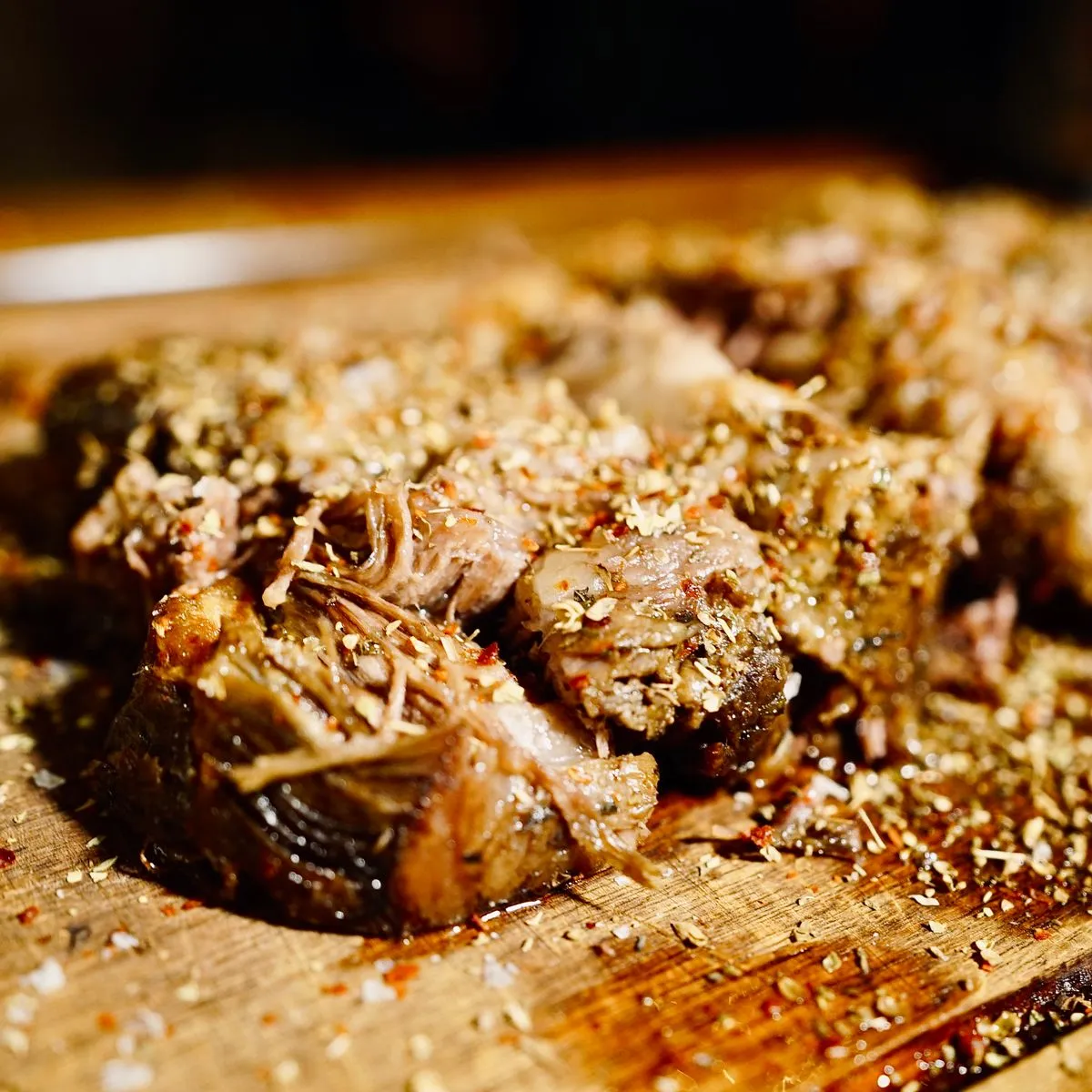 Smoke & Time
Pork shoulder needs time to become easy to pull. A thermometer monitors cooking, while a gentle probe check reveals whether the connective tissue has softened enough for the texture you want.
Read the article ↗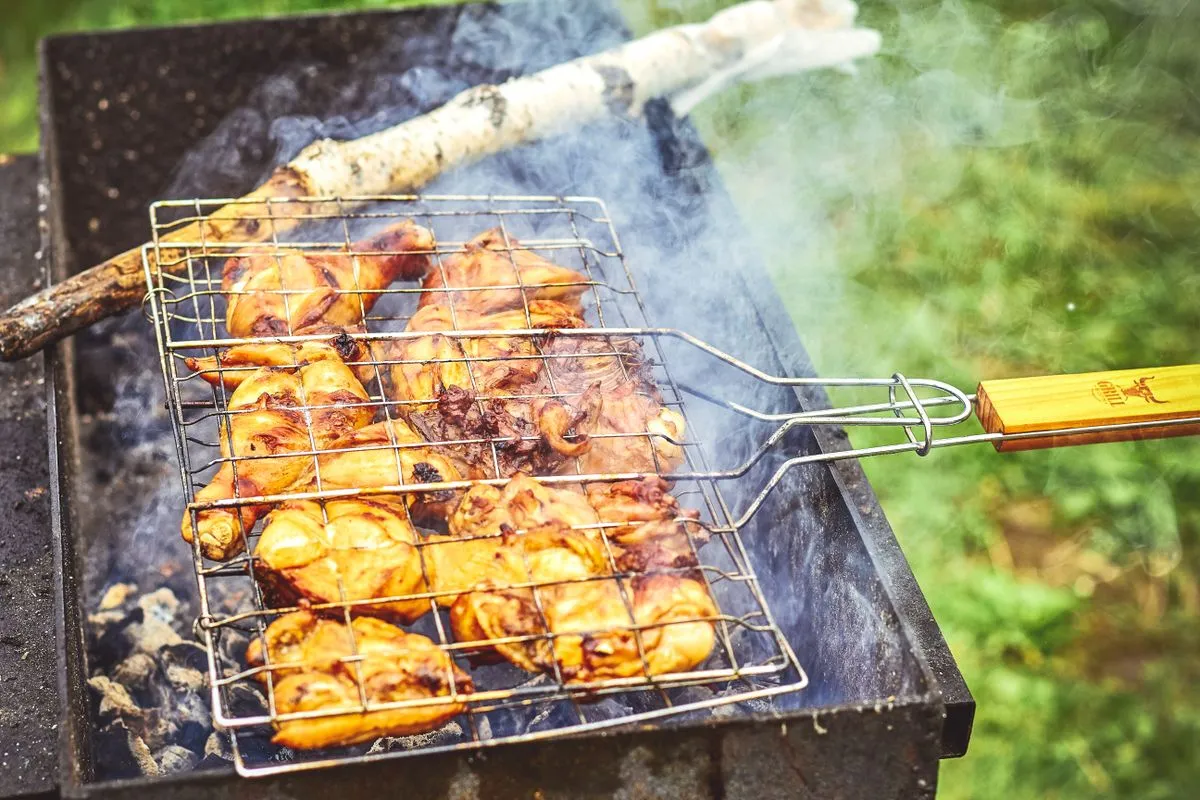 Smoke & Time
Very low heat can leave chicken skin soft and chewy. A dry surface, restrained smoke and enough cooking heat help more than repeatedly coating the chicken in a thick sweet glaze.
Read the article ↗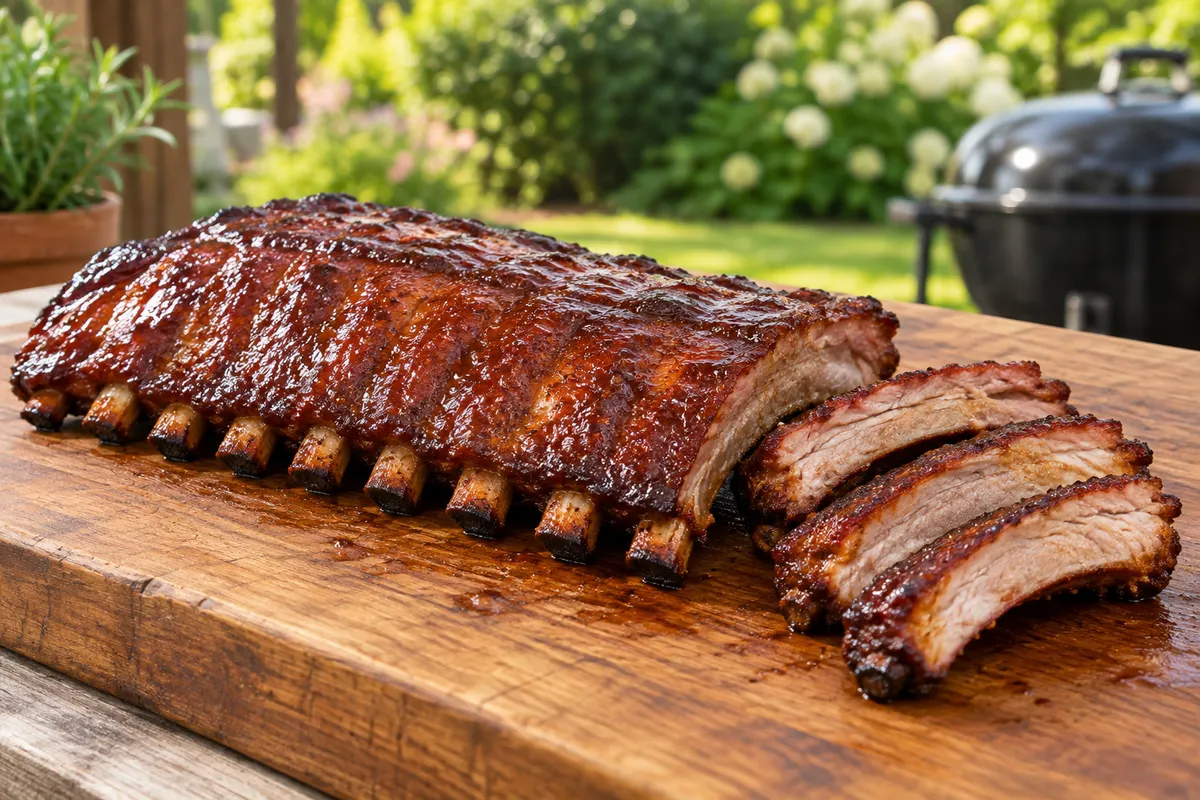 Smoke & Time
Pay attention to the meat between the bones, not only the exposed bone ends. A fixed schedule cannot account for every rack thickness, cut or smoker temperature.
Read the article ↗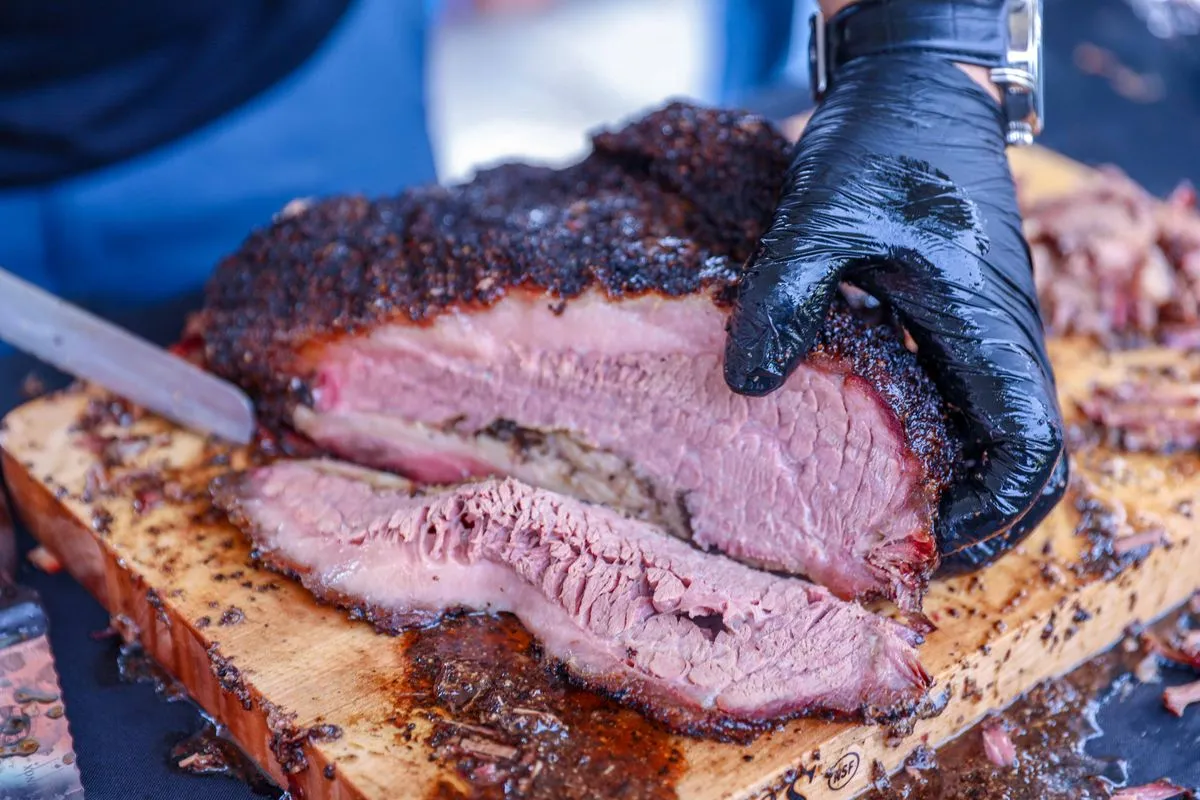 Smoke & Time
Beef brisket is not one evenly thick steak. Different muscles, fat layers and the shape of the cut explain why it needs more planning than a simple minutes-per-pound estimate.
Read the article ↗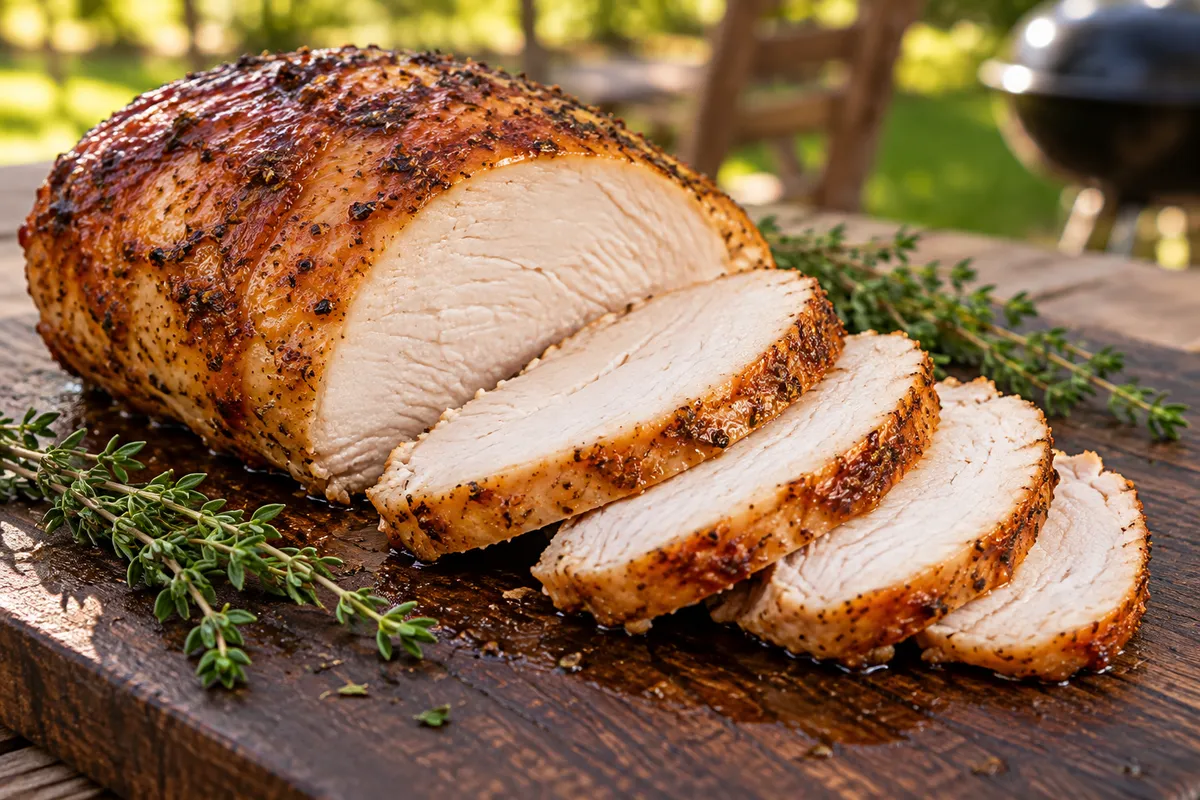 Smoke & Time
Lean turkey breast benefits from restrained smoke and even cooking. Aim for a verified internal temperature rather than a dramatically dark exterior that may conceal an overcooked outer layer.
Read the article ↗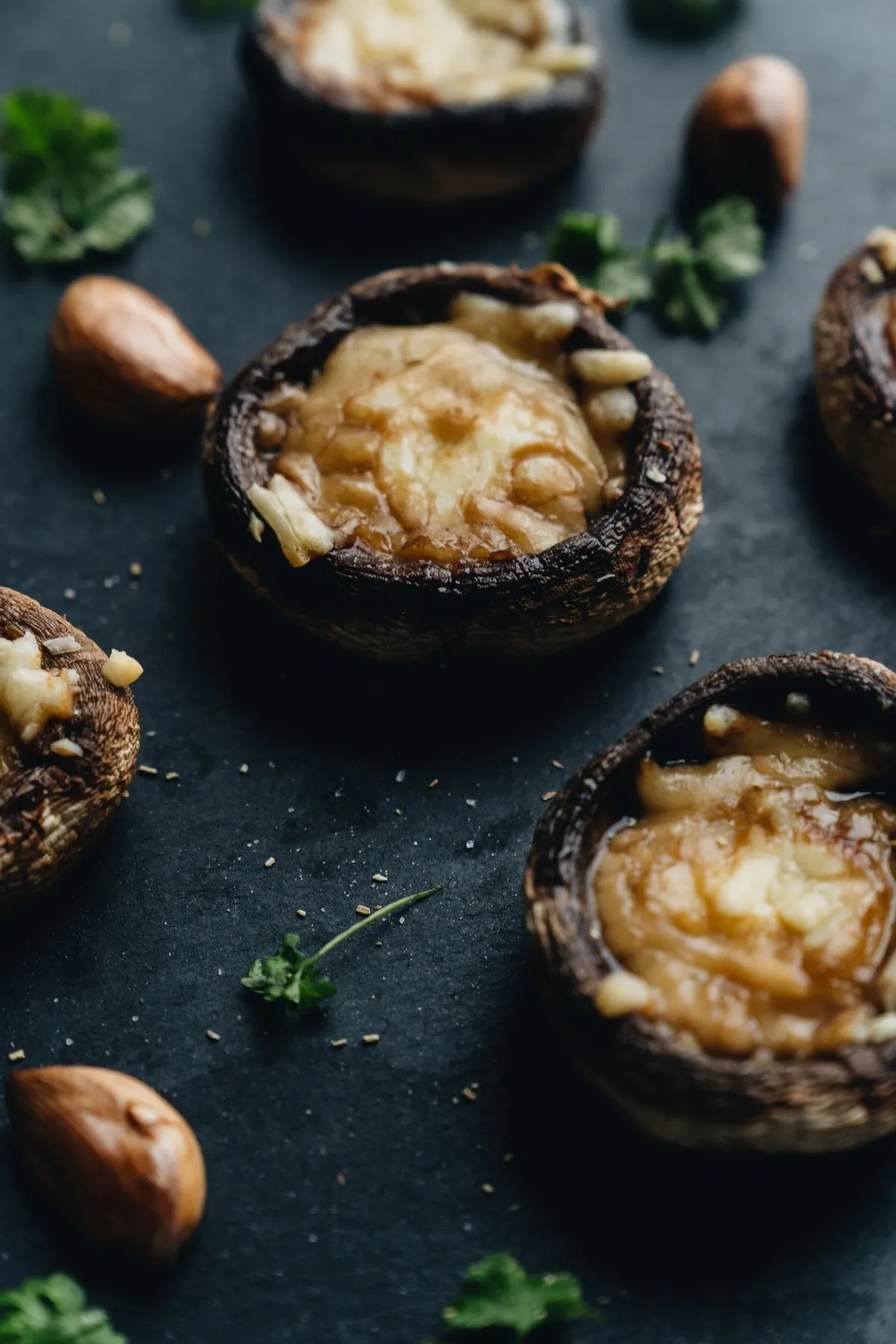 Smoke & Time
Mushrooms take on smoke readily. A broad shallow pan, a little wood and room between the pieces encourage browning instead of leaving everything to steam in a deep pool of its own liquid.
Read the article ↗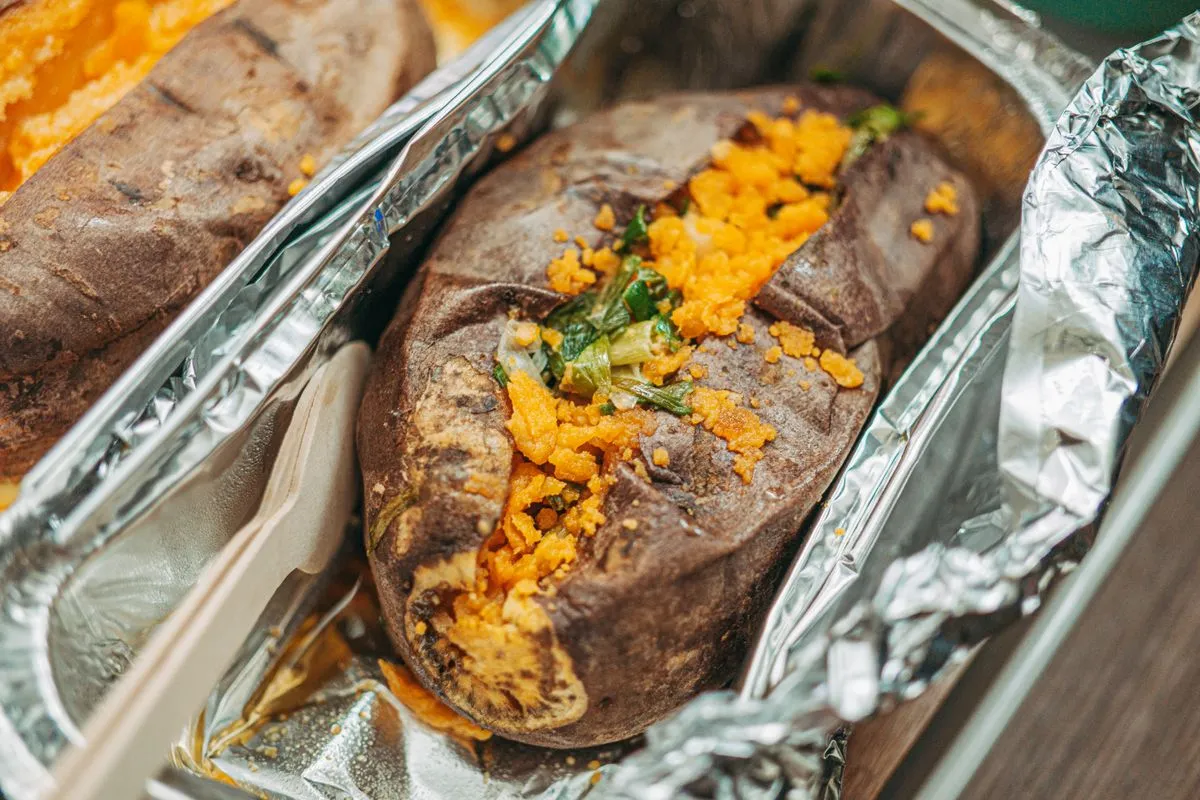 Smoke & Time
Whole sweet potatoes can cook beside other foods in an indirect zone. Their skins protect the soft centers while a modest amount of smoke complements the potatoes' natural sweetness.
Read the article ↗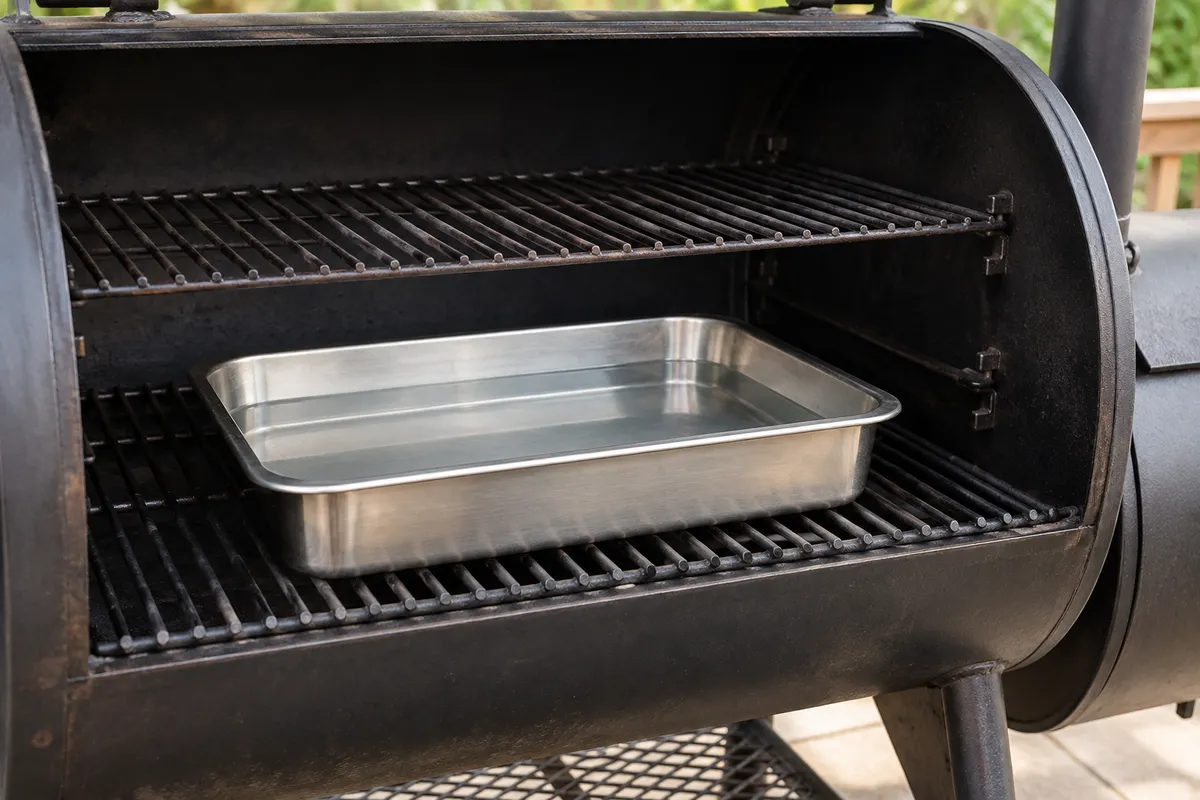 Smoke & Time
A water pan can affect chamber conditions and may collect drippings in some setups. It does not replace temperature measurement or sufficient fuel, and it is not intended for every grill.
Read the article ↗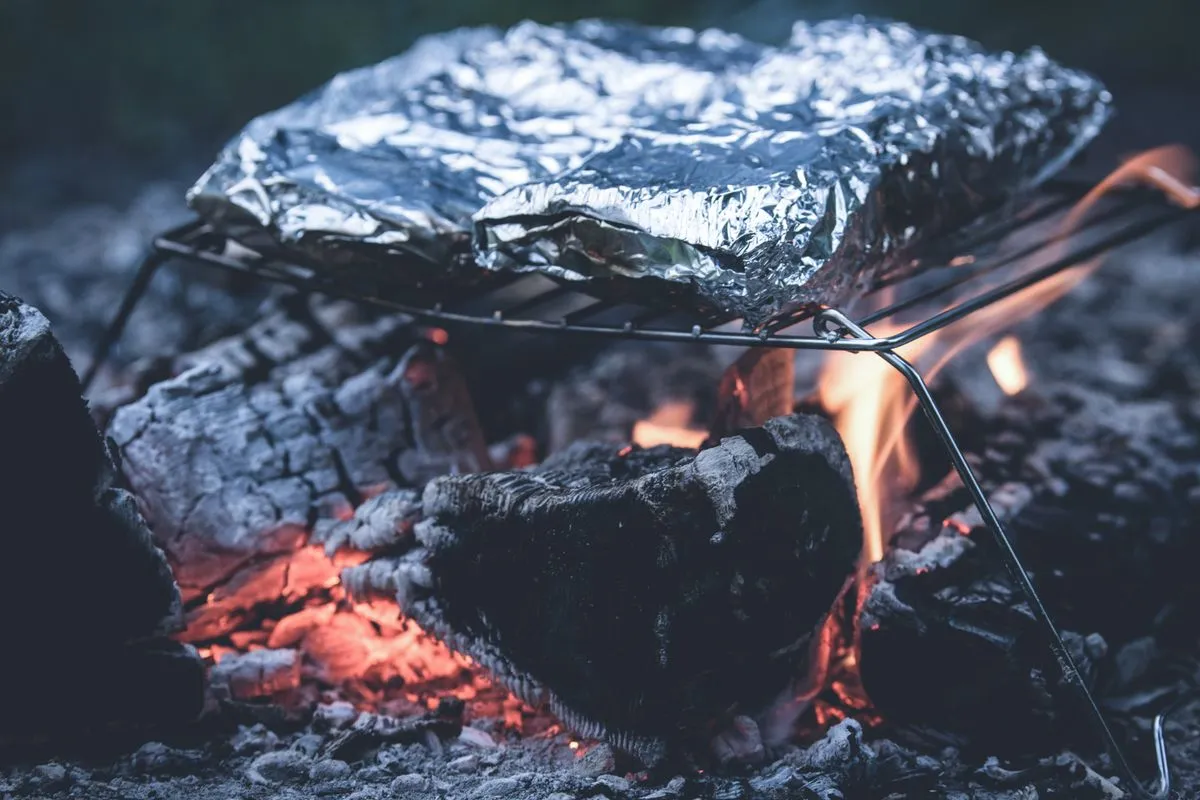 Smoke & Time
Wrapping mainly changes heat and moisture exchange at the surface. It is a choice about the remaining cook and the crust, not a compulsory stage for every smoked dish.
Read the article ↗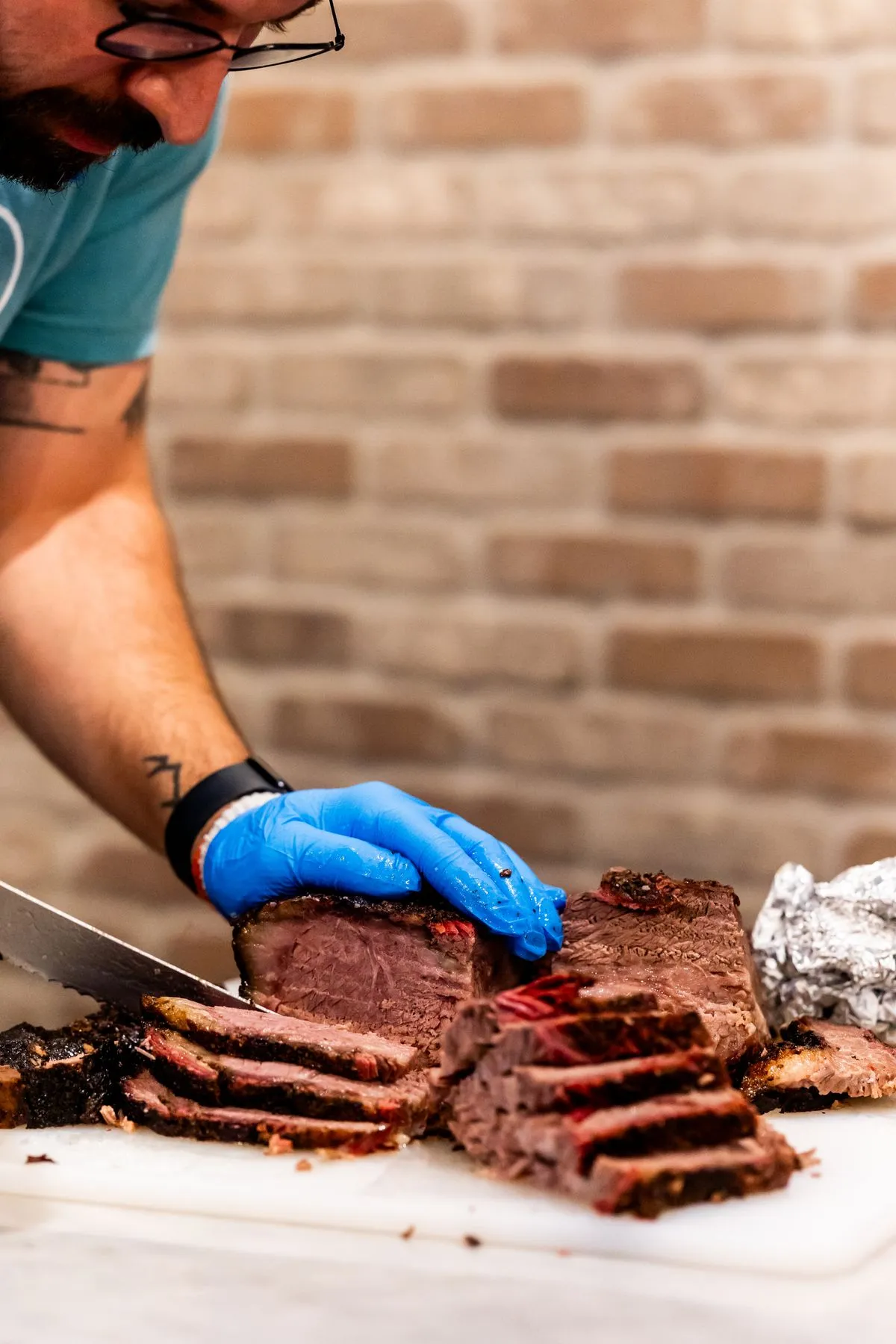 Smoke & Time
A large cut can show little increase in internal temperature while the cooking chamber remains hot. Surface evaporation often contributes, but a stationary display does not by itself prove that a normal stall is occurring.
Read the article ↗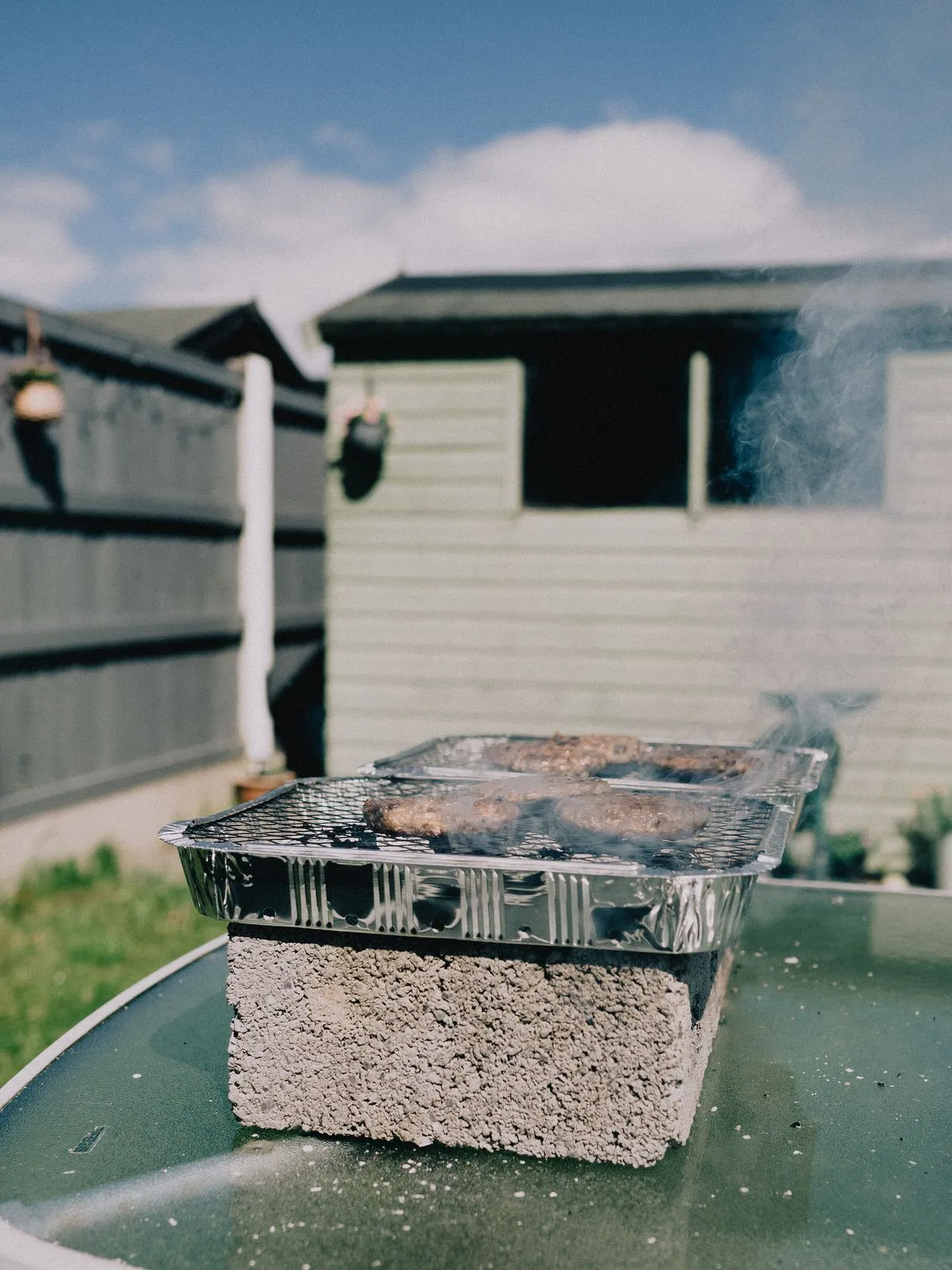 Smoke & Time
A smoker does not display exactly the same temperature every moment. The size, duration and cause of a change matter more than every brief movement on the thermometer.
Read the article ↗ Smoke & Time
Safe storage comes before the reheating method. A little liquid and a covered dish help reduce drying, but neither can correct a long period of unsafe unrefrigerated holding.
Read the article ↗No matching articles. Try a different search term.