Begin with a safely chilled portion
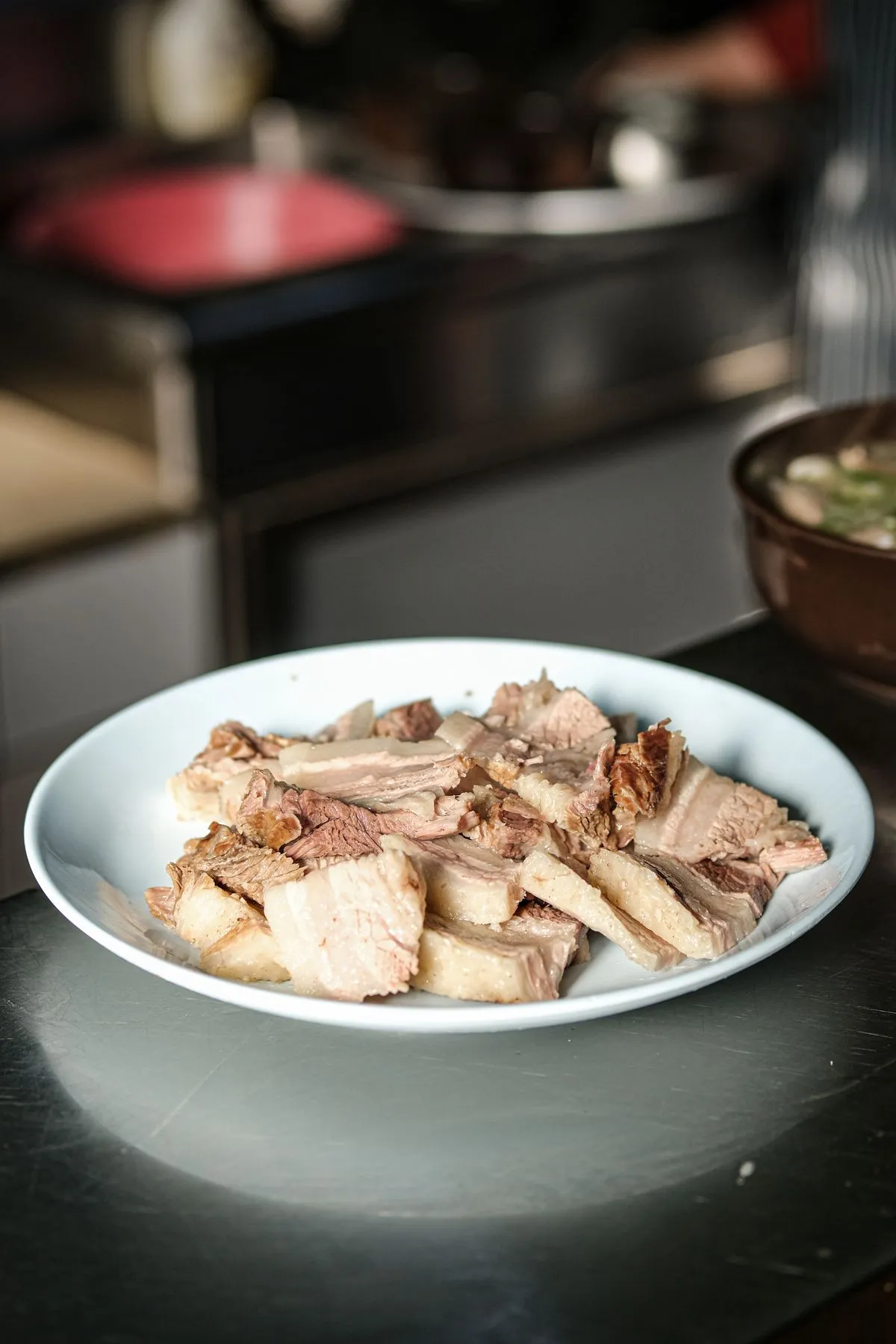
After the original cook, pulled pork should have been divided into small shallow portions and refrigerated promptly. Use refrigerated leftovers within three to four days at 40°F or below, or freeze suitable portions earlier. Label the container with a date. If meat stood unrefrigerated too long or its handling history is unknown, a pleasant smoky smell does not establish that it is safe.
Thaw frozen portions in the refrigerator or use an appropriate method that reheats them fully from frozen. Smaller packages are easier to heat evenly than one solid block. Keep any thawing liquid away from bread, salad and other ready-to-eat ingredients. Remove only the amount needed for the meal so the remaining refrigerated portions do not repeatedly warm up during preparation.
Add moisture without drowning the meat
Put pork in a suitable oven-safe dish and add a small amount of water, unsalted stock or safely stored cooking juices. For about a pound of meat, a few tablespoons make a useful starting point. The aim is not to turn the pork into a new soup. Use very salty or sweet sauce cautiously because its flavor can become more concentrated as the dish warms.
Cover with an appropriate lid or material and reheat in a preheated oven, for example around 325°F. Stir gently partway through so cooler and hotter areas mix. A suitable saucepan can also work if the food is stirred and temperature monitored. Leaving a pan to become slowly lukewarm on a switched-off grill zone is not a dependable reheating process.
Measure more than the hot edge
USDA guidance calls for reheated leftovers to reach 165°F throughout. Do not measure only at a steaming edge: a tightly packed portion may still be much cooler in its center. Required time depends on quantity, starting temperature and the container, making stirring and checking more useful than a universal number of minutes. Use a clean thermometer at several representative points.
Serve immediately after reheating or maintain controlled safe hot holding. Add fresh slaw, bread and cold sauces separately at the table. Avoid repeatedly reheating the same large container. Several small stored portions are easier to handle safely and generally retain a better texture than a bowl warmed, served and rechilled several times. If the meat seems dry, adjust the portion size and added liquid next time rather than reducing the safe final reheating temperature.
Use grilling equipment only in its intended location and follow the manufacturer’s instructions. Timing is not a substitute for checking doneness.