Locate the affected component
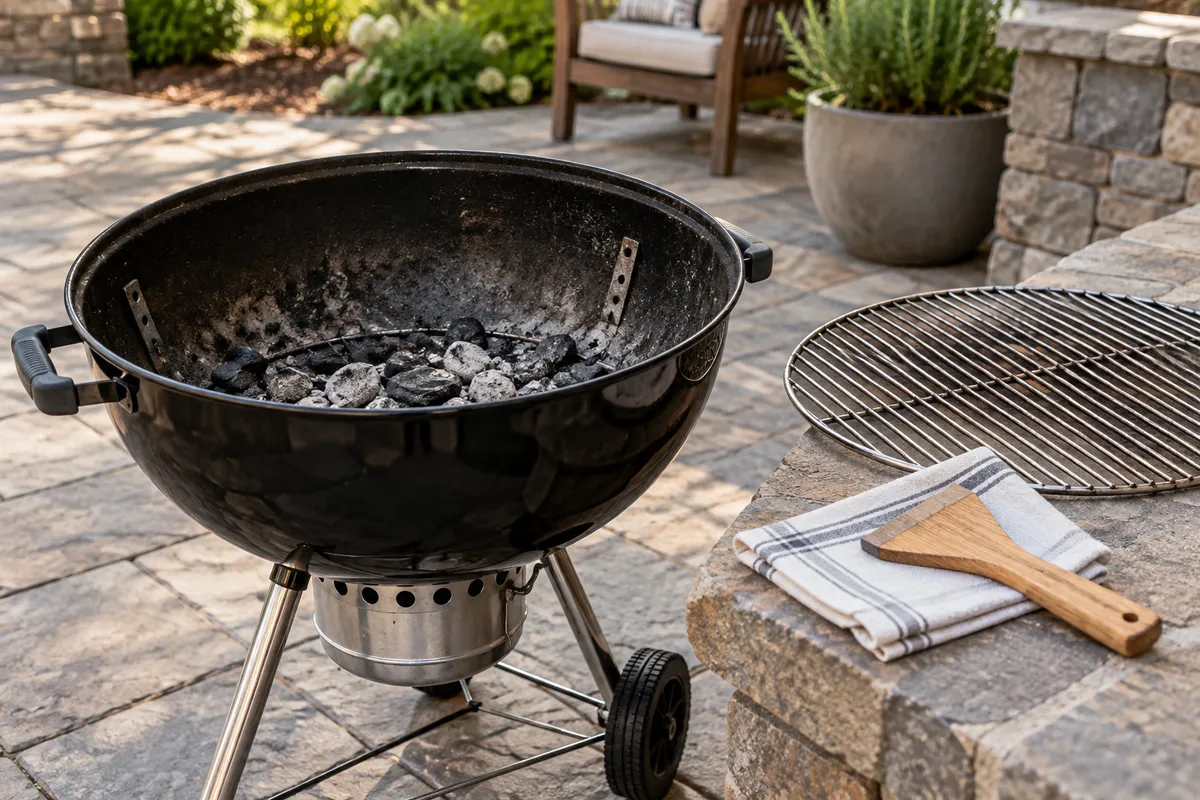
Examine a cold cooker in good light and remove loose dirt with an appropriate cloth. Separate cooking surfaces, the cookbox, exterior panels, structural supports and the fuel system in your assessment. Photographs make a question to the manufacturer more specific and provide a useful reference if you later need to see whether the affected area has changed.
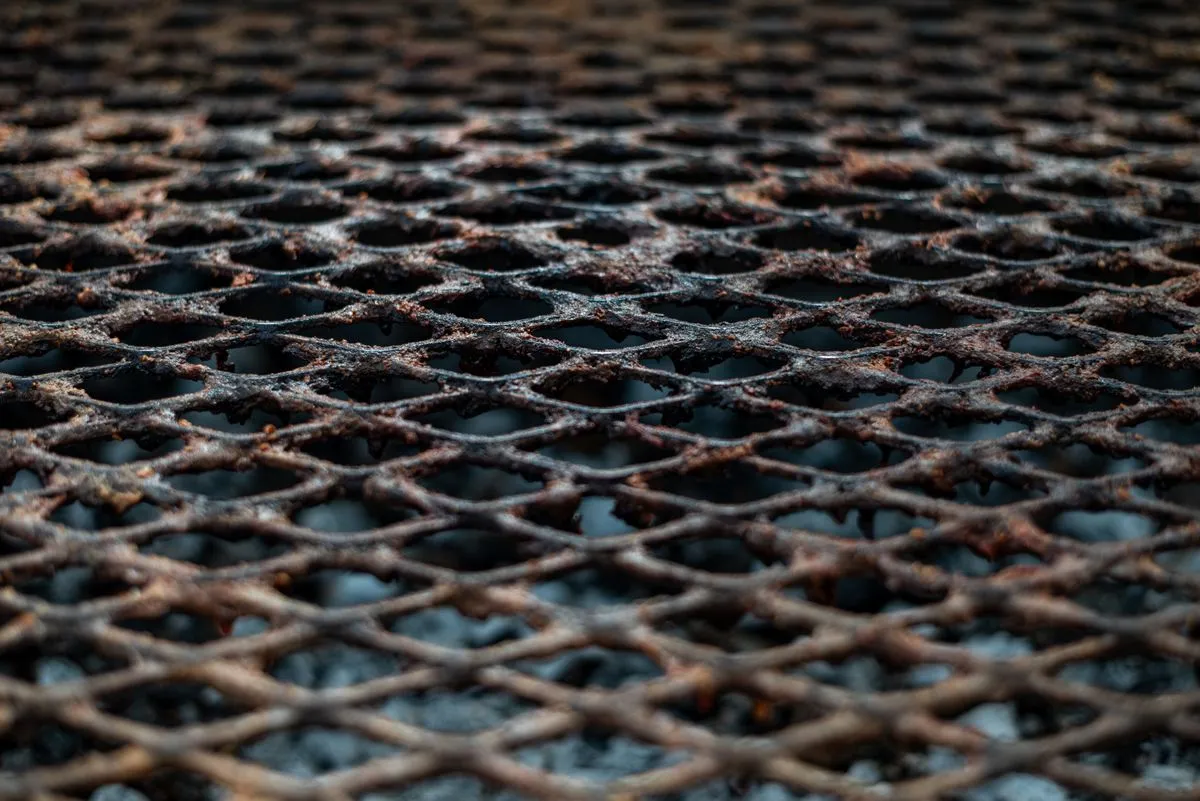
Rust on bare cast iron may be superficial and removable under the maker's care instructions. Rust beneath a flaking enamel coating is a different issue, and loose coating fragments must not transfer to food. Fuel hoses, regulators, valves, connectors and badly corroded burners are not candidates for an improvised sanding repair. Those parts need appropriate inspection and replacement decisions rather than cosmetic treatment.
Do not guess at structural strength
A light stain and a soft, layered edge are not equivalent findings. Avoid testing a possibly weakened support by forcefully pushing on a loaded grill. If legs, wheel mounts or brackets have visibly lost material, do not use the cooker until the problem has been assessed. New paint cannot restore the strength of metal that has corroded away.
Inside the cookbox, advanced corrosion may also change how heat or grease travels. A hole in a collection pan is more than an appearance problem if drippings escape into an unintended area. Replacement parts must fit the appliance and perform their original function. A loose sheet of foil or a homemade metal patch is not a general substitute for a damaged grease tray, burner support or heat shield.
Know the limits of surface treatment
Where the maker permits removal of light surface corrosion, use the specified method and protect only the surfaces intended for that treatment. Exterior paints should not be applied to food-contact areas or inside a hot cookbox unless explicitly approved for that use. A product labeled heat-resistant is not necessarily suitable for direct contact with food or for every temperature reached inside a grill.
Dry storage, regular removal of salty drippings and a cover fitted only to a cool appliance can help reduce future problems. Pay attention to areas where water pools, and look beneath the cover after heavy rain rather than assuming the cooker remained dry. If corrosion continues spreading or a component changes shape, the choice between a correct replacement part and a new cooker is a safety decision, not merely a preference about how polished the barbecue area should look.
Use grilling equipment only in its intended location and follow the manufacturer’s instructions. Timing is not a substitute for checking doneness.