Make refrigerator space before cooking
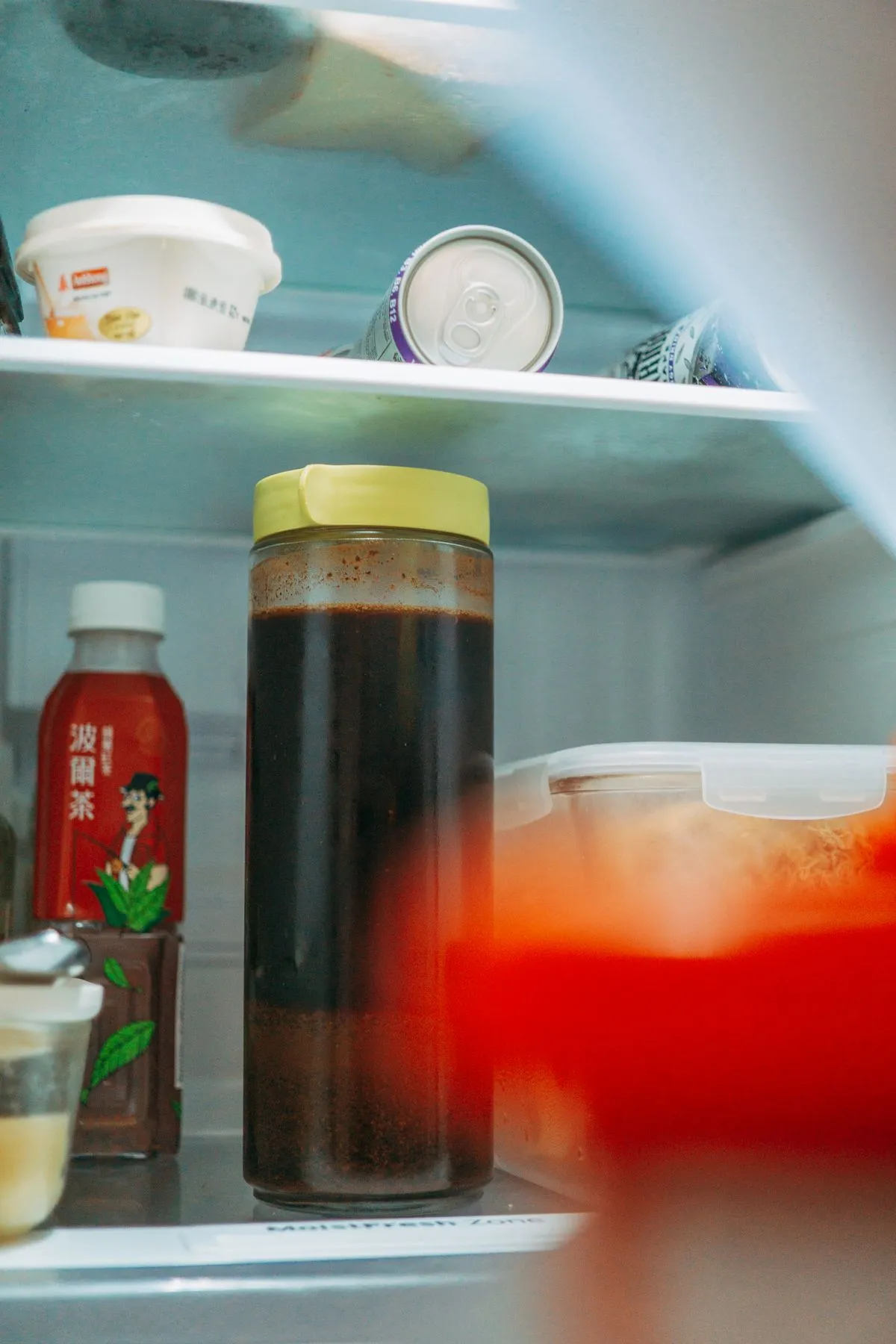
Plan cold-storage space before grilling a large quantity. A crowded refrigerator leaves little room for shallow containers, and hot food should not be wedged tightly against delicate chilled items. Have clean containers ready and keep cooked leftovers separate from raw supplies. A plate left on the picnic table throughout the evening does not become safe simply because it is returned to the refrigerator afterward.
Refrigerate perishable food within two hours, or one hour when the surrounding temperature exceeds 90°F. Count the total time away from safe refrigeration or proper hot holding, not only the period after people finish eating. Put out smaller serving portions and keep reserves cold. Food held hot needs to stay at a safe holding temperature, at least 140°F under USDA guidance; a switched-off grill is not a dependable hot-holding appliance.
Divide large amounts for cooling
Cut large cooked pieces into smaller portions and spread bulky sides into shallow containers so heat can escape more readily. Refrigerate them promptly rather than waiting for full room-temperature cooling. Keep the refrigerator at 40°F or below and avoid overloading it. Several smaller containers are easier to cool effectively than one deep bowl tightly packed with a heavy mixture of food.
Label containers with the contents and preparation date. Use refrigerated cooked leftovers within three to four days under USDA guidance, or freeze suitable portions earlier if you do not expect to eat them. Freezing does not reverse unsafe handling beforehand. Discard food with an uncertain unrefrigerated holding history; smell and appearance cannot reliably tell you whether disease-causing organisms or their toxins are present.
Reheat the portion you need
Take out only what you intend to serve and heat leftovers throughout to 165°F. Stir side dishes where appropriate and check several places in thick or uneven portions. A steaming edge does not prove the center has reached the target. Sauces and gravies should be reheated thoroughly as appropriate to their preparation, and a slow warming method should not leave perishable food lukewarm for an extended period.
Keep cold salads and dressings refrigerated until serving. Do not combine a fresh batch with older leftovers whose handling is uncertain. Repeatedly setting out and rechilling the same container makes time control harder and often damages texture. A small labeled portion for tomorrow is easier to manage than a large mixed bowl that returns to the table several times across the week.
Use grilling equipment only in its intended location and follow the manufacturer’s instructions. Timing is not a substitute for checking doneness.