Understand the whole air path
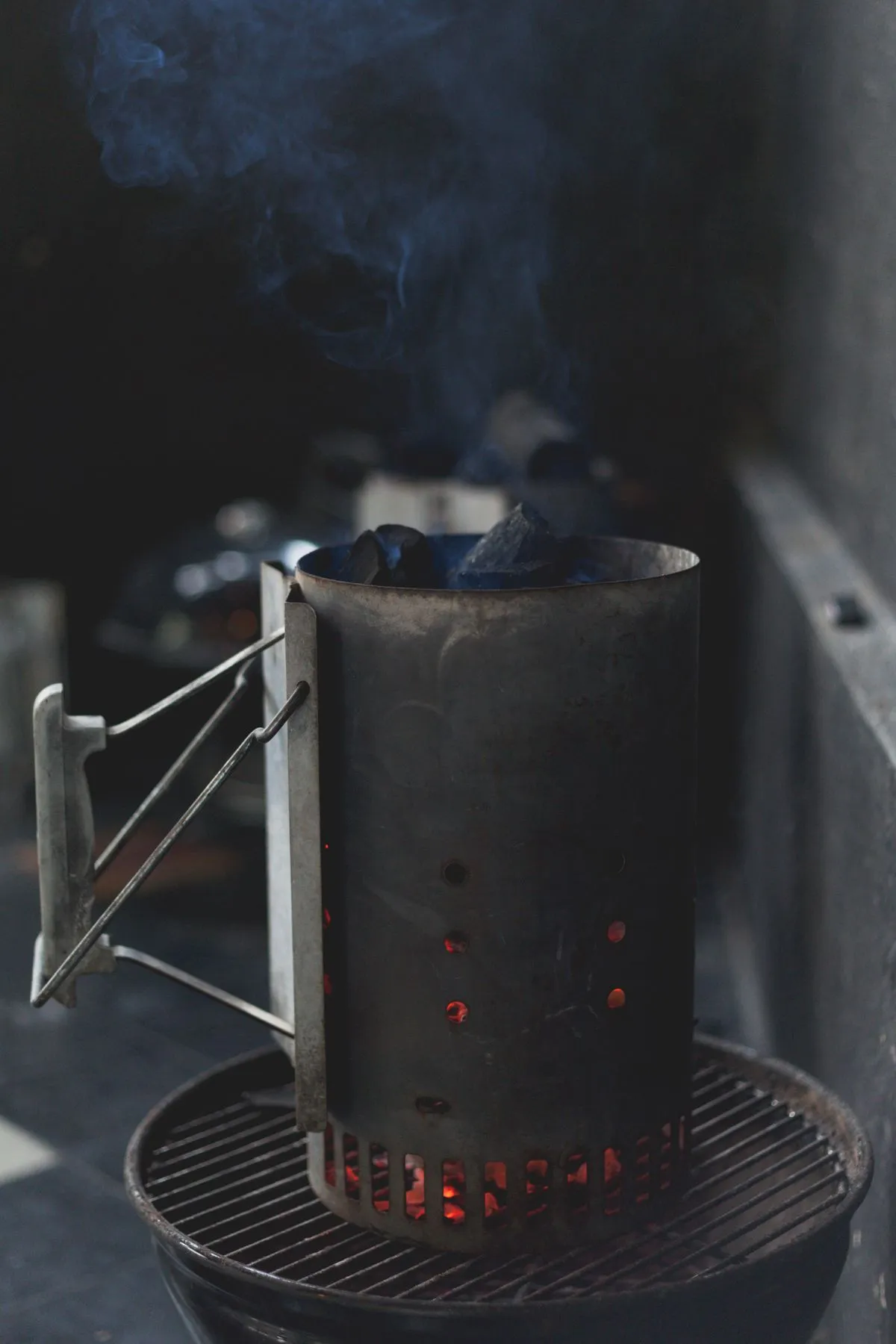
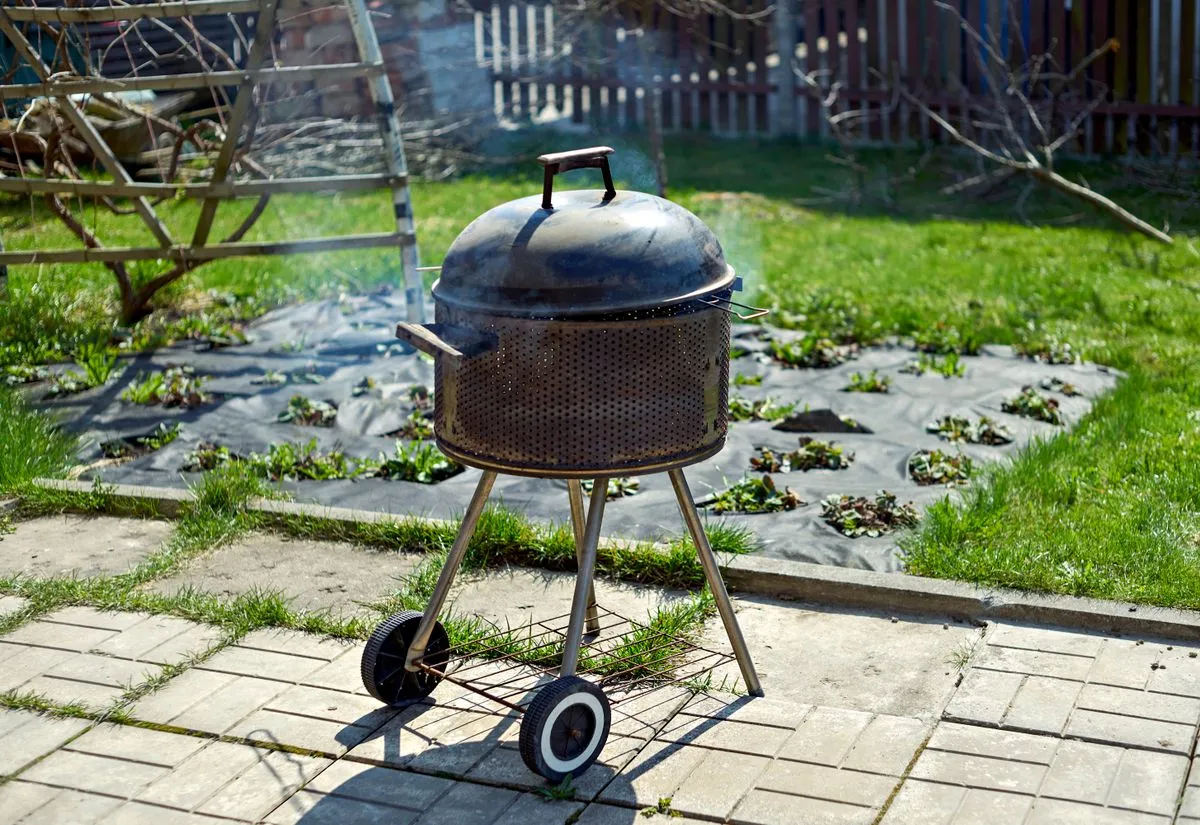
Lower openings admit air toward the charcoal, while the lid vent provides a route for hot gases to leave. Both belong to the intended airflow system. Begin with the manufacturer's recommended settings rather than randomly moving both controls. A known starting position makes it easier to identify whether a later change comes from the fuel, the weather or your adjustment.
Before lighting, inspect the cold ash collection area and air passages. A blocked inlet can weaken a fire even when the control appears open. Clear fully cold ash using the designed mechanism and instructions. Poking improvised tools into the base of a hot, operating grill is not a controlled solution. Keep your hands protected when operating any hot vent handle.
Allow a small change to work
Watch the trend for several minutes, provided the food is not scorching. Let a modest reduction in intake take effect before changing it again. If the surface needs immediate protection, move the food to the indirect area while the fire responds. A sudden dial drop after opening the lid does not by itself mean that the charcoal supply is inadequate.
Wind, a fresh load of cold food and lid openings also affect readings. Try to correct one influence at a time. For indirect cooking, a properly positioned chamber probe near the food can provide more useful information than a distant lid dial. Keep it away from direct radiant exposure to the coals if you are trying to measure the indirect zone rather than the fire itself.
Recognize when the fuel is the issue
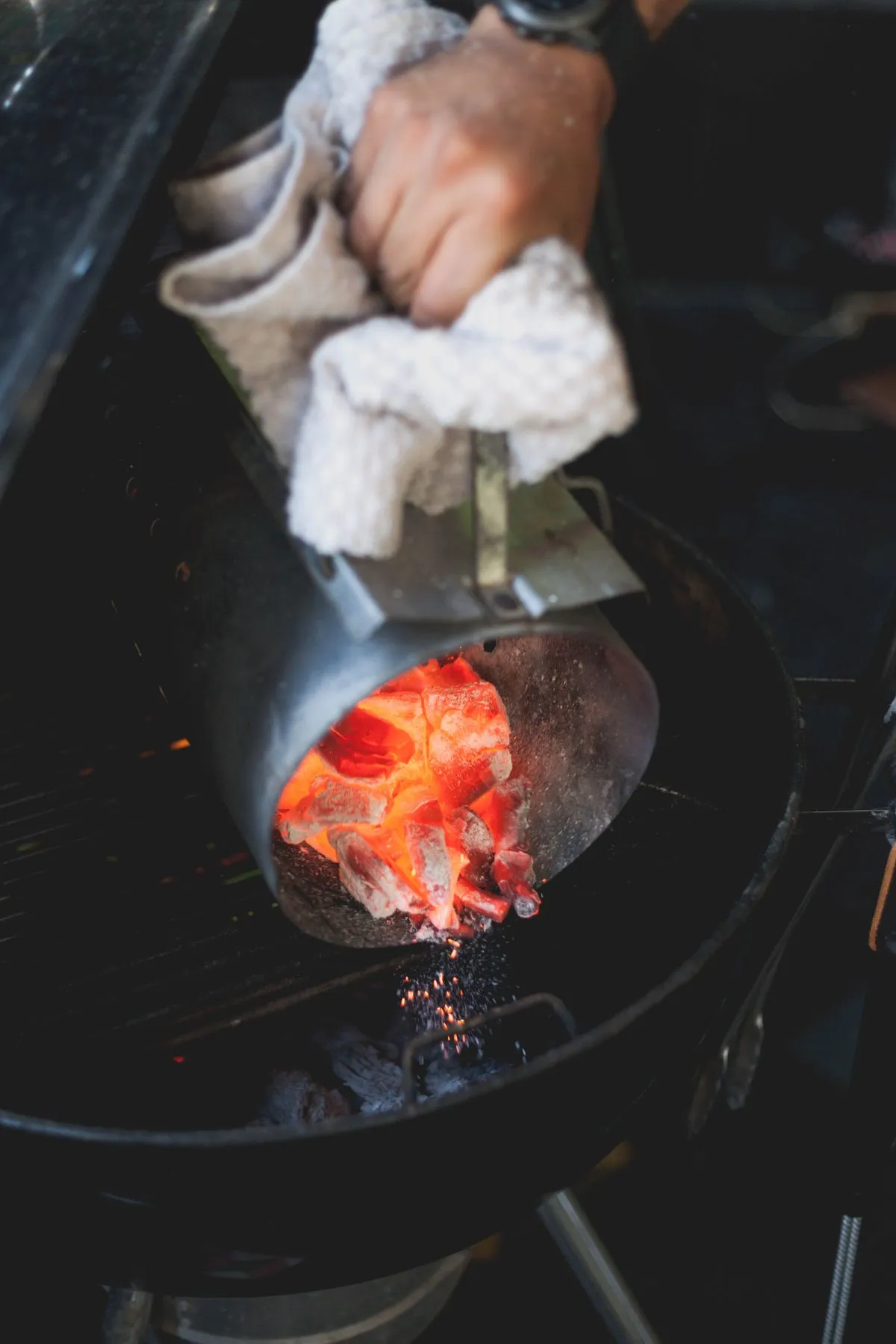
Nearly exhausted charcoal cannot be restored by opening the vents farther and farther. Check the fuel using the procedure intended for the grill, and replenish only with suitable tools, heat protection and the approved method. Strong wind may make postponing the cook more sensible than constructing a makeshift windbreak from wood or cardboard beside hot equipment.
At shutdown, use the prescribed vent positions. Many kettles extinguish the coals by closing the openings, but that does not immediately cool the charcoal or ash. Leave the cooker outdoors in its safe position until everything is fully cold. Record successful settings alongside the fuel and conditions; a vent position without that context is not a reliable recipe for the next fire.
Use grilling equipment only in its intended location and follow the manufacturer’s instructions. Timing is not a substitute for checking doneness.