Install the cooking setup first
Fit only grates and accessories approved for the cooker. A substantial cast-iron plate warms differently from a thin stainless grate, while a pizza stone requires its own specified heating procedure. Adding a cold accessory late creates uneven conditions and avoidable handling. Decide where the direct and indirect areas will be before you light the grill, rather than rebuilding it with hot parts in the way.
Inspect the grease collection system and cooking chamber before a high-heat session. Preheating is not a safe substitute for removing substantial old grease deposits. With gas, follow the lighting sequence and lid position in the manual. Closing the lid to preheat after successful ignition is different from allowing unlit gas to accumulate under a closed lid. If ignition fails, use the manufacturer's waiting and retry procedure.
Match the heat to the surface
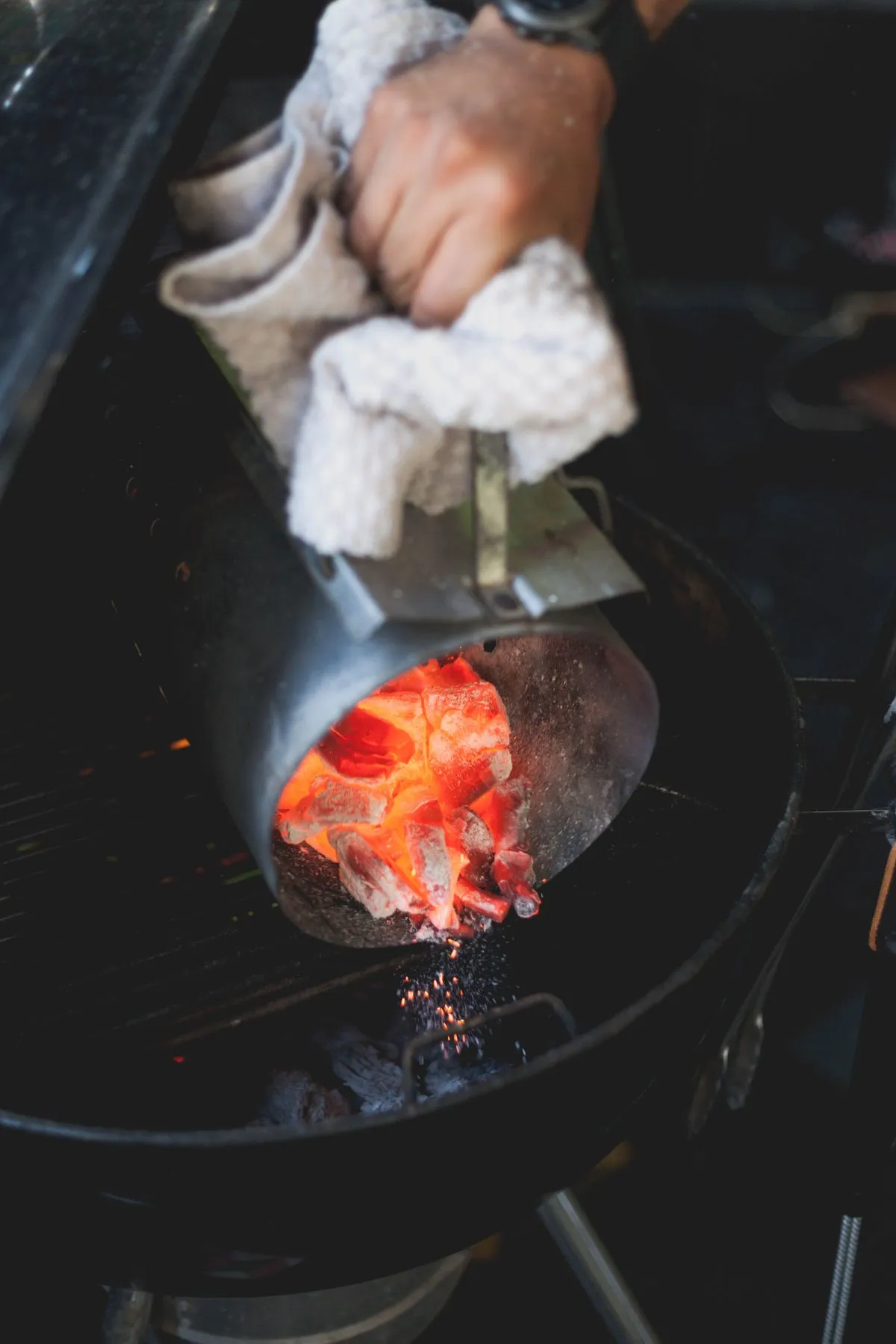
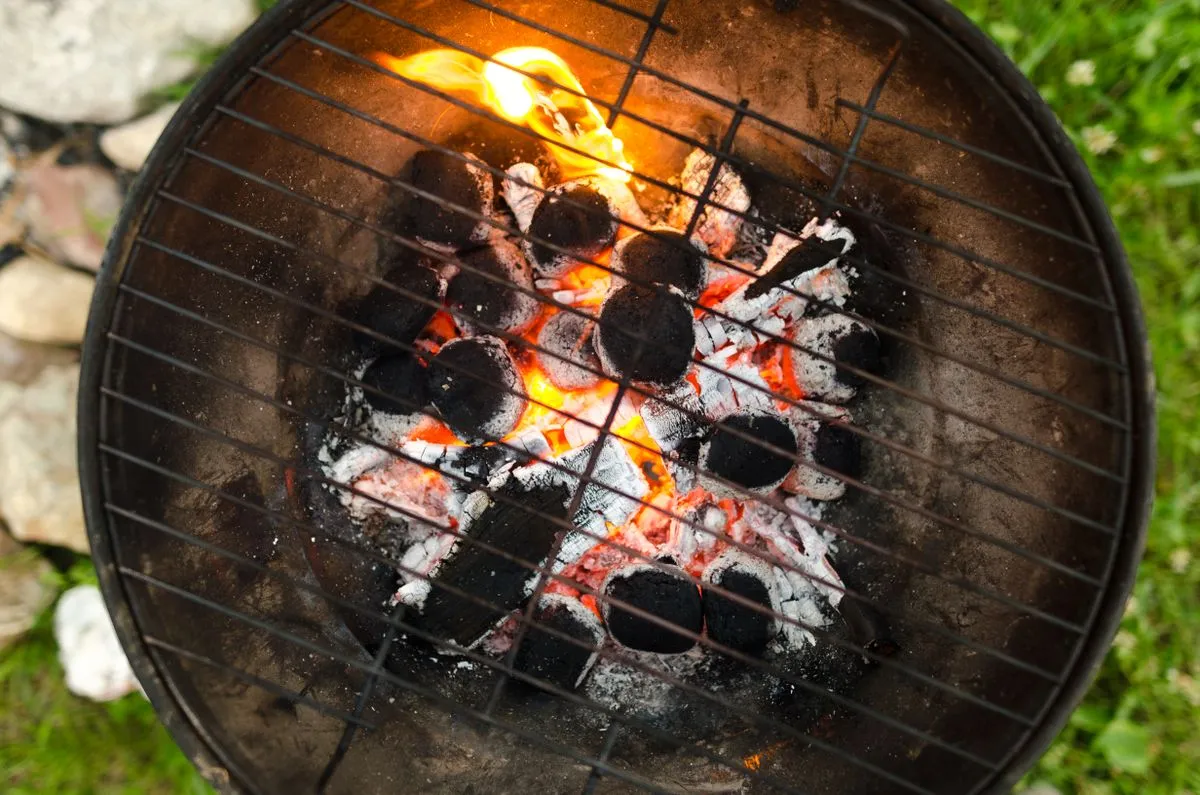
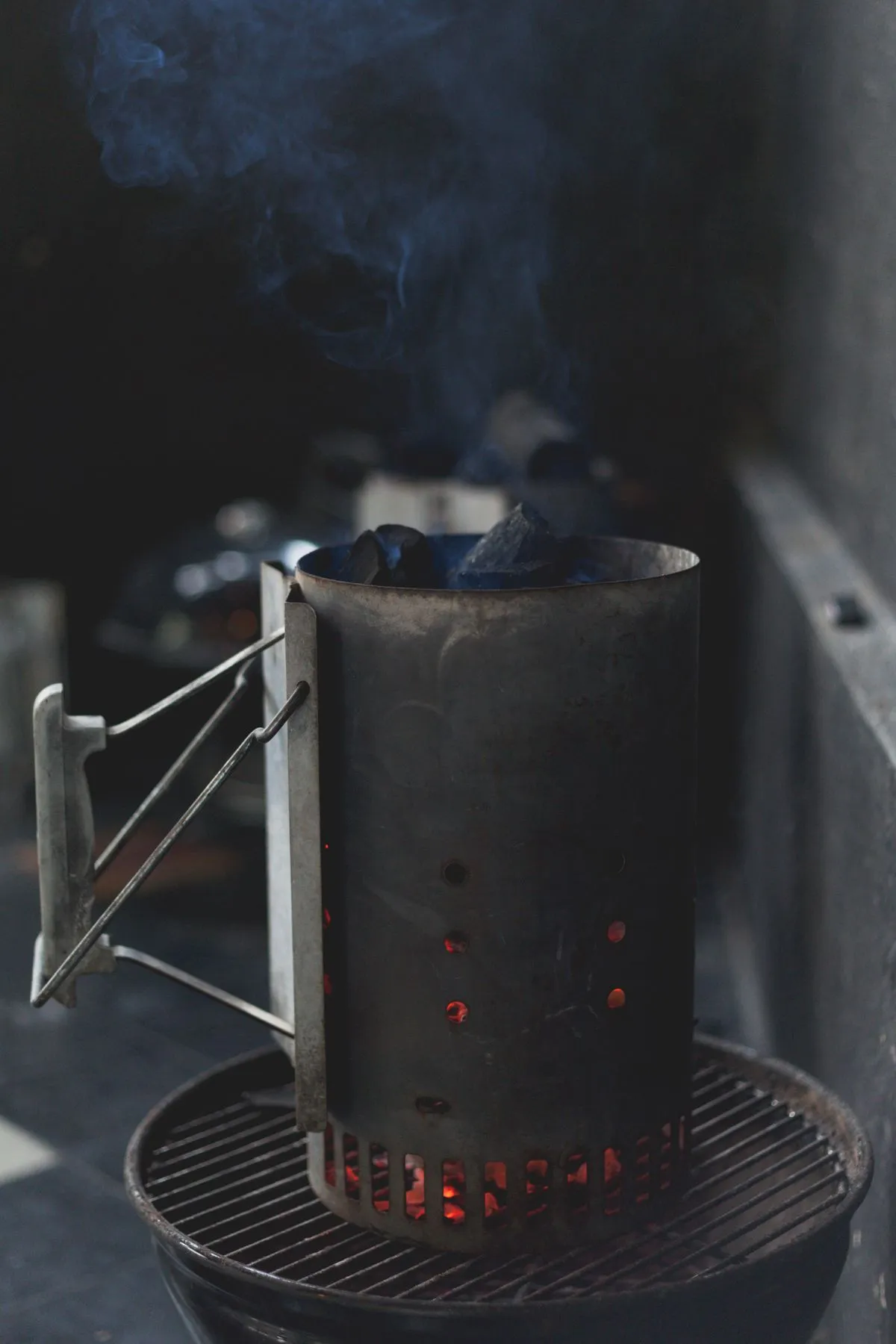
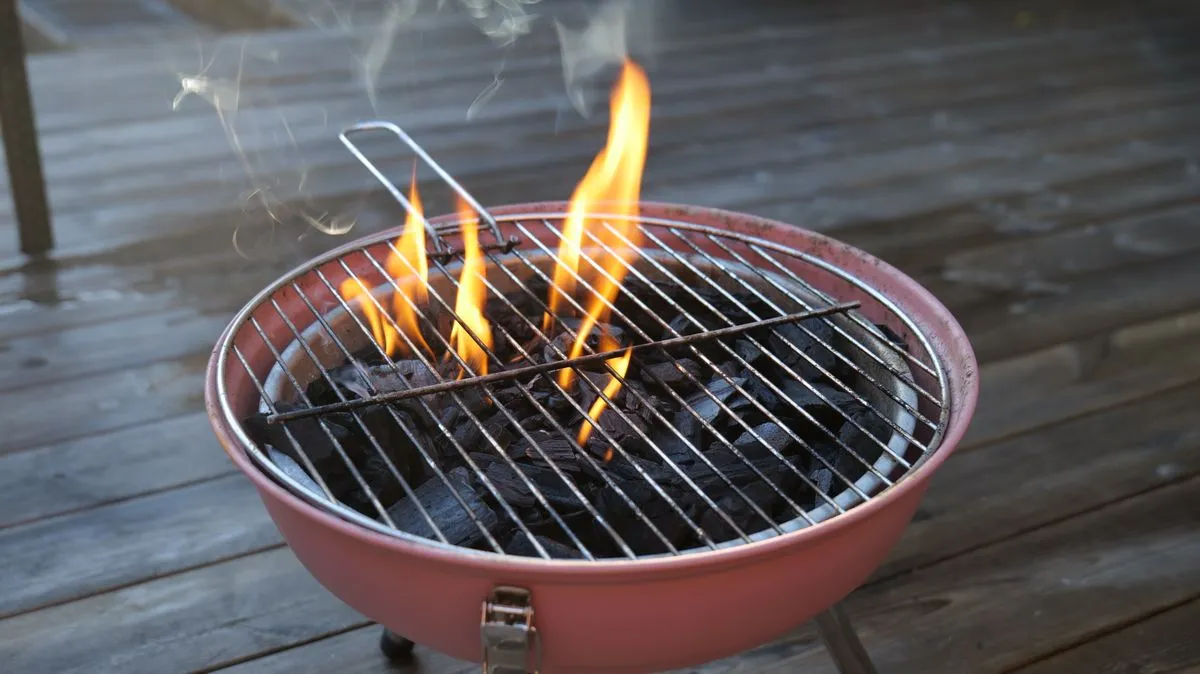
Thin steak may need a much hotter direct zone than chicken carrying a sugary marinade. Preheat as directed, then adjust to the heat required for the meal. Maximum burner output is a setting for particular tasks, not a default cooking temperature. On charcoal, fuel quantity, arrangement and airflow work together; the amount in the bowl alone does not describe the heat at the food.
Avoid covering a small grate with a large load of cold, wet ingredients at once. The surface loses heat, moisture accumulates and browning slows. Cook in batches when necessary and let the grate recover between loads. Keep waiting raw ingredients refrigerated instead of lining them up beside the cooker. Drying the surface with paper towels can help browning without increasing the burner setting.
Use the first batch as feedback
If food barely colors, check moisture, crowding and placement before simply turning everything up. If it scorches immediately, move it away and reduce the intensity. A chamber probe can clarify the cooking environment, but a food thermometer is still needed to check internal doneness. Never touch a grate or plate to test whether it is hot enough.
For a new grill, note the accessory, settings and amount of food used in one straightforward session. These details make the next adjustment meaningful. An arbitrary extra quarter hour at maximum output may waste fuel without solving the underlying problem. The objective is a suitable, stable cooking surface with enough recovery capacity for your meal, not the highest possible number on the lid dial.
Use grilling equipment only in its intended location and follow the manufacturer’s instructions. Timing is not a substitute for checking doneness.