Refrigerator thawing is the predictable option
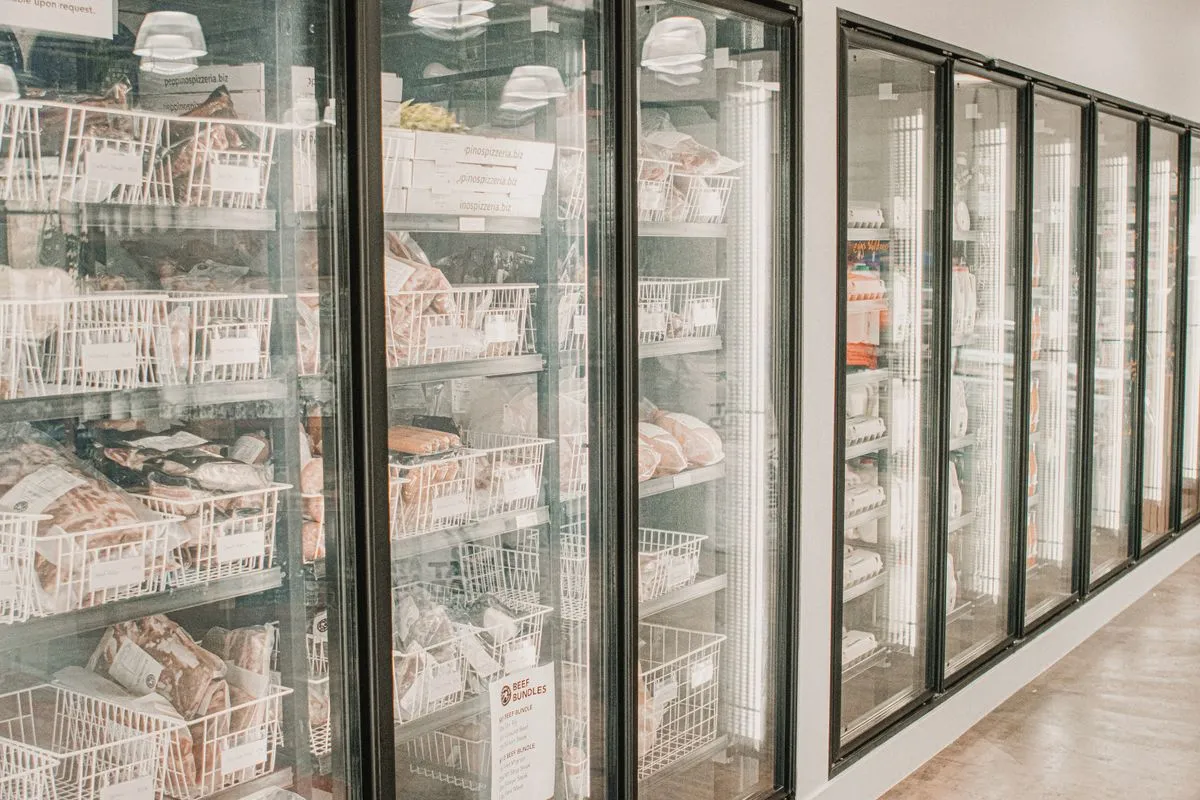
Place meat or fish in a leakproof tray in the refrigerator and allow enough time. A compact thick package takes longer than separate flat portions. Keep raw juices away from ready-to-eat foods. A cold exterior does not prove that the center has thawed, so check the condition before beginning the rest of your preparation.
An outdoor table, warm vehicle or hot-water bath is not a safe shortcut. Outer layers can become too warm while ice remains inside. Choose a different meal if there is no time for suitable preparation. Do not force a knife through a frozen block to separate portions; besides uneven results, that creates an avoidable risk of the blade slipping.
Faster thawing requires immediate cooking
Suitable sealed packages can thaw in cold water, changing the water about every 30 minutes. Cook immediately afterward. The same immediate-cooking rule applies after microwave thawing, because some areas may already have warmed or partly cooked. Follow product-specific instructions as well; a general thawing method is not permission to ignore directions for a particular prepared food.
Blot thawed surfaces with paper towels when necessary so excess liquid does not interfere with browning. Clean the work area and your hands afterward. Do not rinse raw poultry, since splashing can spread contamination around the preparation space. Thorough heating inside the food, not a quick wash before seasoning, is the relevant cooking safety step.
Trust instructions rather than a browned coating
Some foods are explicitly designed to cook from frozen. Follow that method and check whether it actually includes your type of grill. Brown breading or existing grill marks may come from processing and do not necessarily indicate a ready-to-eat product. Stuffed preparations require particular attention to the center and the temperatures specified for all their ingredients.
Very high direct heat does not solve the problem of a thick, unevenly thawed portion; it mainly accelerates surface browning. Use a suitable complete cooking method and measure the coldest relevant areas with a food thermometer. Do not split the job into brief partial grilling and finishing after a long pause. Safe thawing and continuous cooking should form one coherent plan for the meal.
Use grilling equipment only in its intended location and follow the manufacturer’s instructions. Timing is not a substitute for checking doneness.