Give each ingredient a purpose
Oil carries fat-soluble flavors, acid adds brightness, salt seasons and herbs or spices establish the direction. Every mixture does not need large amounts of all four. A thin yogurt coating for chicken behaves differently from an oily herb dressing on vegetables. Sugar contributes sweetness but can quickly burn under fierce direct heat, leaving bitterness instead of a pleasant glaze.
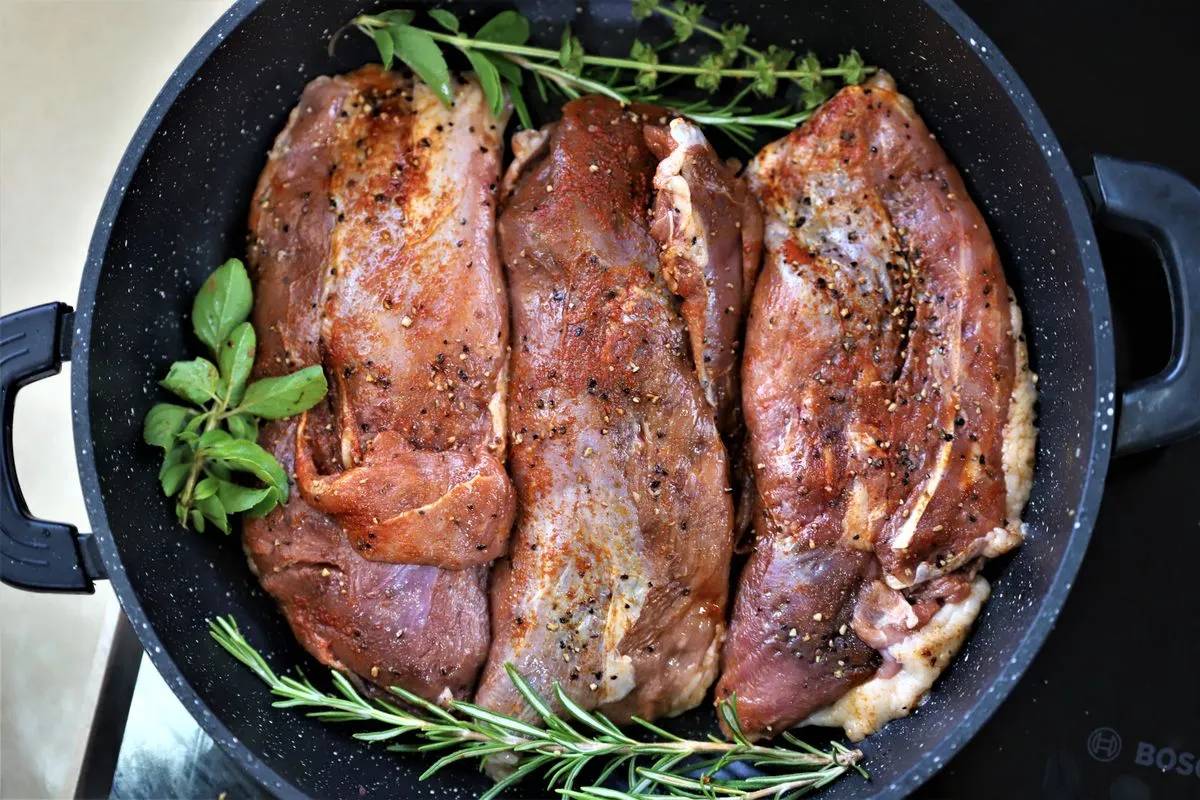
Use a food-safe, nonreactive container such as an appropriate glass dish. Avoid bare aluminum for strongly acidic or salty mixtures. Make enough marinade to coat the food rather than creating an unnecessary pool of oil. Garlic, lemon and paprika do not require the ingredient to float in a large bath before their flavor becomes noticeable.
More time is not always better
Marinate meat and fish in the refrigerator and respect the food's original storage limits. Adding marinade does not restart its storage clock. Strong acid can make delicate surfaces mushy or chalky with excessive exposure. Begin with a shorter period appropriate to the recipe rather than treating an overnight soak as the automatic answer for every ingredient.
Do not cut a large piece smaller solely to create room for more marinade. Decide what you want to serve. Skewers provide more seasoned surface than a roast, but also a different balance of crust and interior. With dense vegetables, consistent slice thickness may improve the result more than extending the marinating period again and again.
Separate raw contact from the finishing sauce
If some marinade will be served as a cold sauce, reserve it in a clean container before introducing raw food. For straightforward home cooking, discard the portion that later contacts raw meat rather than guessing whether it can safely be reused. Keep the raw-food brush out of the reserved sauce unless it has been properly cleaned.
Drain excess before grilling and remove thick clumps of garlic or herbs that would burn immediately. Cook according to the ingredient's real needs, not the darkness of its coating. Fresh acid and herbs can be added afterward. That division gives you a more controllable cooking surface and a clearer finishing flavor without asking one wet mixture to perform every job at once.
Use grilling equipment only in its intended location and follow the manufacturer’s instructions. Timing is not a substitute for checking doneness.