Plan two stages as one continuous cook
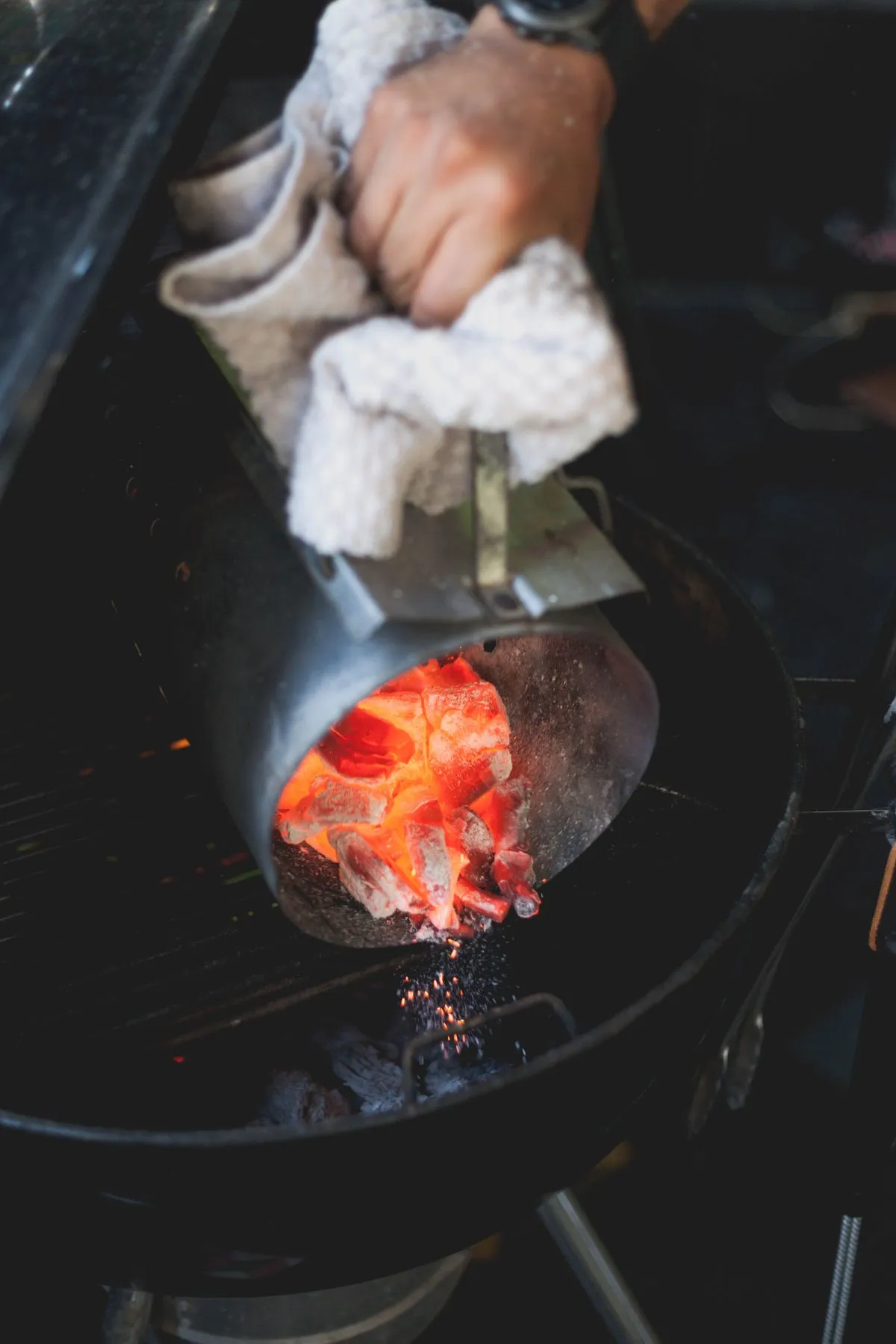
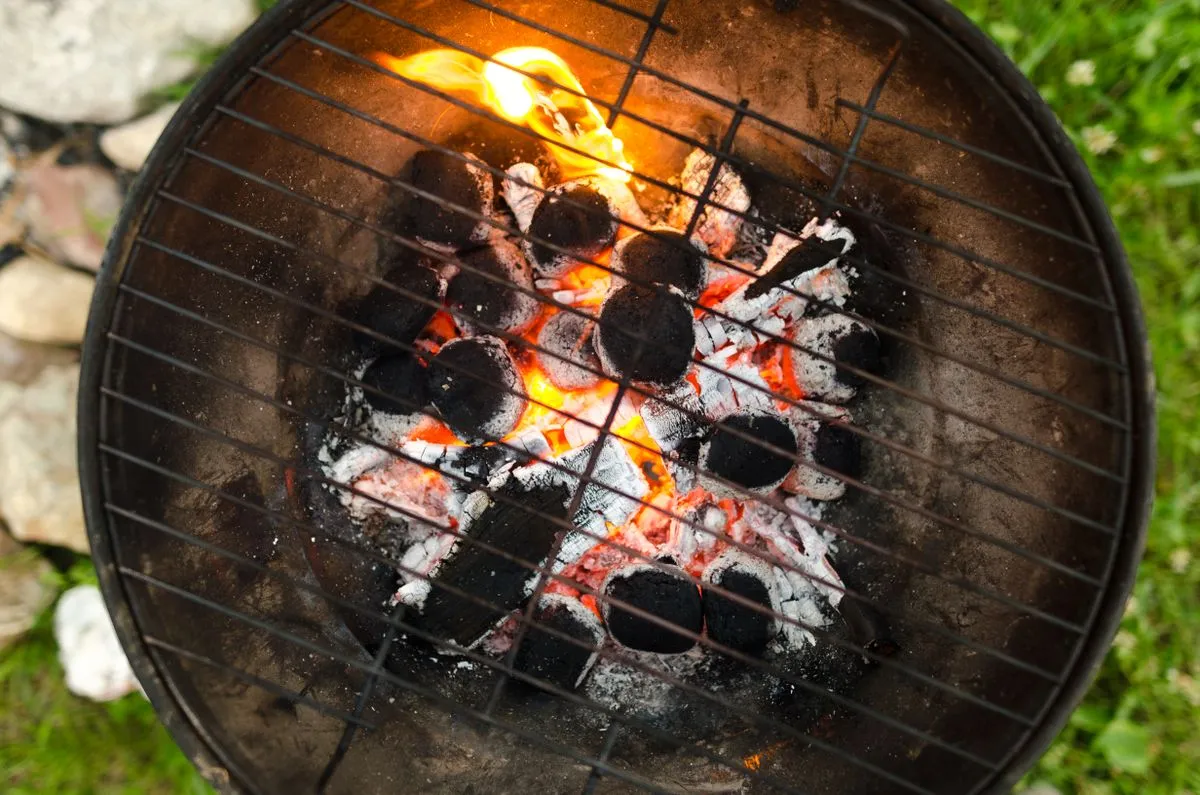
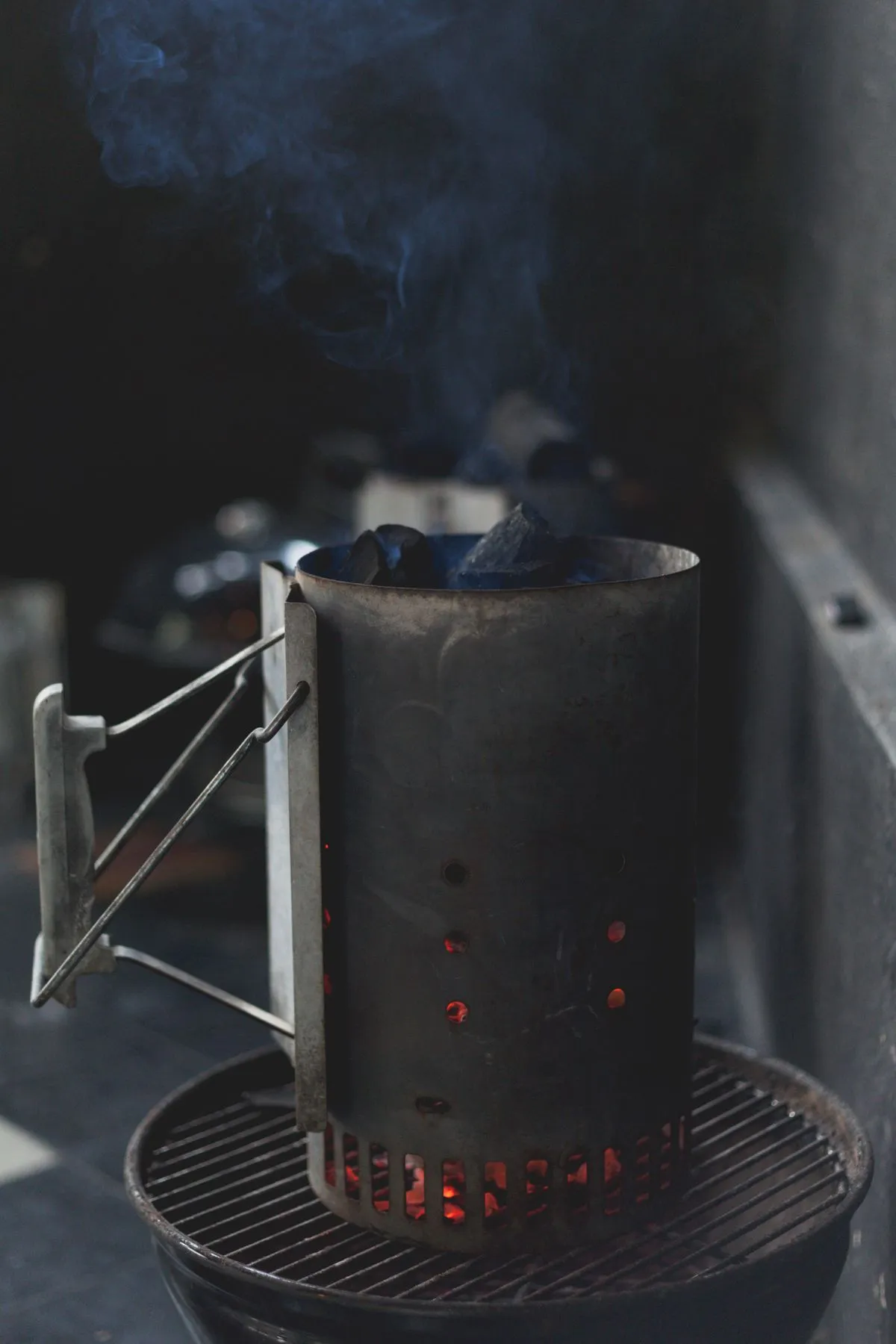
Set up a suitable grill with a stable indirect area and a direct zone available for the finish. Check fuel and space beforehand so the transition does not require a long interruption. Keep the steak refrigerated until preparation. A dry surface and restrained seasoning help the final browning; thick sweet sauces are poorly suited to the intense finishing stage.
Begin in the indirect zone with the lid positioned as the manual specifies. A suitable probe monitors the center, while a chamber probe can describe conditions around the steak. They measure different things. Keep the food probe away from bone and substantial fat seams, and verify more than one point with an instant-read instrument if the shape is uneven.
Keep the safety target through both stages
Many descriptions of reverse searing focus on low preferred steak temperatures. For US safety guidance, whole beef steak should reach at least 145°F before removal from the heat and then rest at least three minutes. Monitor progress across both stages rather than relying on a predicted amount of carryover. Browning is a surface-texture step, not a way to measure the center.
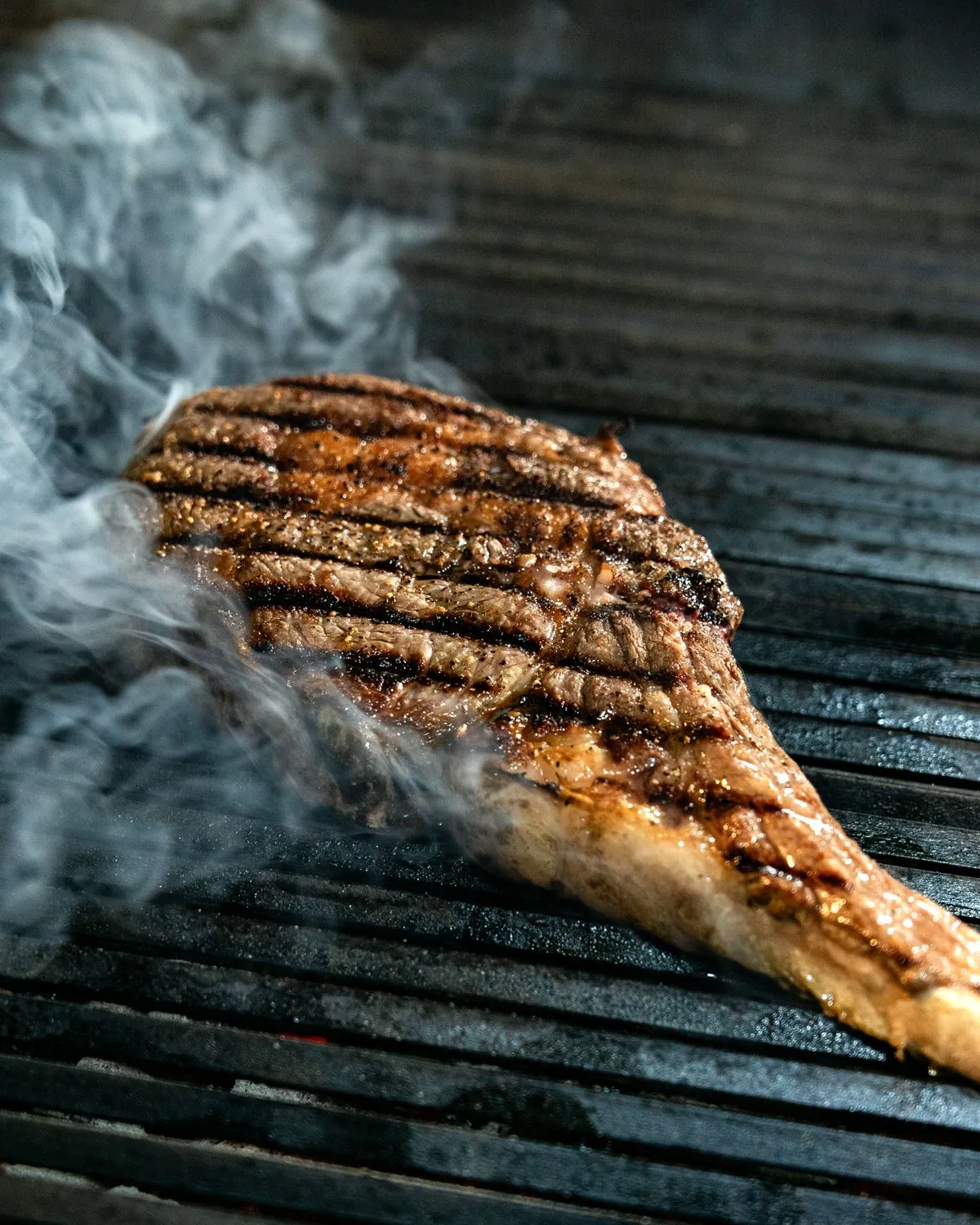
The direct stage may be shorter than expected once the exterior has dried. Turn deliberately with suitable tongs and watch for scorching. The gentle first stage does not make it safe to abandon the steak on the hottest part of the grill. If the crust colors too quickly, move it back to a less aggressive area while completing any necessary cooking.
Recognize when simpler is better
A thin minute steak usually does not benefit from the extra stage. A very small cooker without a usable indirect area also makes the transition awkward. Moderate direct heat with controlled turning may be easier in those circumstances. Choose the method for thickness and equipment, not because its name sounds more advanced than ordinary grilling.
Transfer finished meat to a clean platter and carve across the grain after the required rest. For a trial, record thickness, setup and measured temperatures. Those observations help with the next substantial steak much more than a fixed total time that ignores weather, grill output and the shape of the food. The useful result is control, not a promise that every steak will behave identically.
Use grilling equipment only in its intended location and follow the manufacturer’s instructions. Timing is not a substitute for checking doneness.